
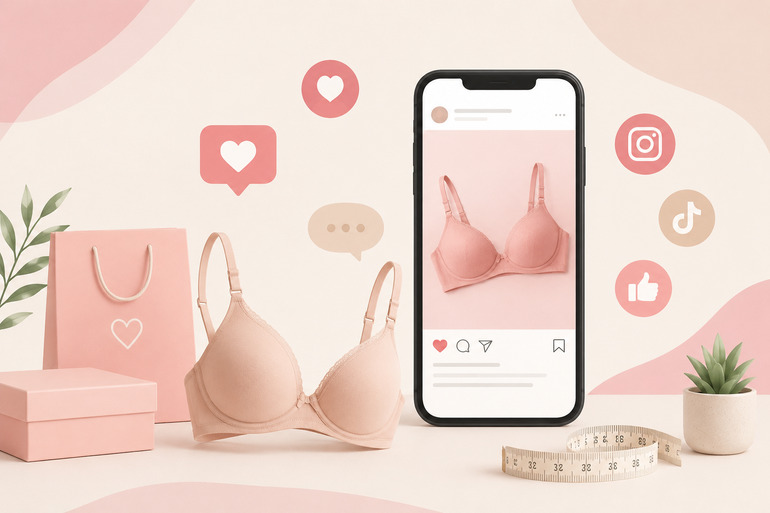
Social Media Reshapes Bra Shopping as Consumer Discovery Moves Beyond Traditional Retail
The way consumers shop for bras has undergone a significant transformation over the past decade, driven largely by the rise of social media platforms that have altered how products are discovered and purchased.
What was once a highly private retail experience centered around department stores and specialty lingerie shops is increasingly influenced by digital communities and algorithm-driven content.
Industry analysts point to platforms such as Instagram, TikTok, YouTube, and Pinterest as major forces behind changing consumer behavior. Rather than relying solely on in-store fittings or advertising campaigns, shoppers now frequently turn to social media for product recommendations and peer reviews.
The Shift from Brand Messaging to Peer Influence.
Research published by the Pew Research Center has shown that social media plays an increasingly important role in consumer purchasing decisions, particularly among younger demographics who use digital platforms as primary sources of product information. Instead of receiving information directly from manufacturers, consumers often encounter products through influencers and content creators.
For the bra industry, this shift has been particularly significant because fit and comfort are highly individualized concerns. Consumers often seek visual demonstrations and experiences from people with similar body types before making purchasing decisions.
The trend has also contributed to increased visibility for discussions surrounding bra sizing accuracy. Organizations and communities focused on bra fitting have gained substantial followings on social media accounts, helping consumers question traditional sizing assumptions and encouraging demand for expanded size ranges.
Data-Driven Discovery Changes Retail Competition.
Social media algorithms have effectively become a new layer of product discovery. According to research from the consulting firm McKinsey & Company, social commerce and creator-driven recommendations are increasingly influencing purchasing behavior across apparel categories, with younger consumers demonstrating particularly high engagement levels.
This development has altered competitive dynamics within the lingerie sector. Established brands that traditionally relied on retail shelf space and large advertising budgets now compete directly with digitally native companies capable of reaching niche audiences through targeted content.
The result has been a more fragmented marketplace where smaller brands can gain visibility quickly if their products resonate with online communities. However, the rapid spread of recommendations can accelerate both positive and negative consumer sentiment, increasing pressure on brands to maintain quality and transparency.
Industry observers note that social media has also encouraged broader conversations around inclusivity. Consumers increasingly expect representation of different body types, age groups, and cultural backgrounds in marketing materials, a trend that many brands have adopted in response to online feedback and public scrutiny.
Growing Questions Around Transparency and Consumer Trust.
While social media has expanded access to information, experts caution that the growing influence of creators introduces challenges related to disclosure and transparency. Regulatory agencies, including the U.S. Federal Trade Commission (FTC), have repeatedly emphasized the importance of clearly identifying sponsored endorsements and paid partnerships.
As bra purchases become increasingly influenced by digital content, consumers must navigate a mixture of genuine reviews, sponsored recommendations, and algorithmically amplified trends. This environment places greater responsibility on both platforms and brands to ensure advertising practices remain transparent.
The broader implication for the lingerie industry is clear: purchasing decisions are becoming less dependent on traditional retail experiences and more influenced by digital ecosystems where community engagement and visibility can significantly affect market outcomes.
Related Posts

Bra Conversations Remain Restricted Across Many Societies
Despite growing awareness of women's health issues worldwide, discussi
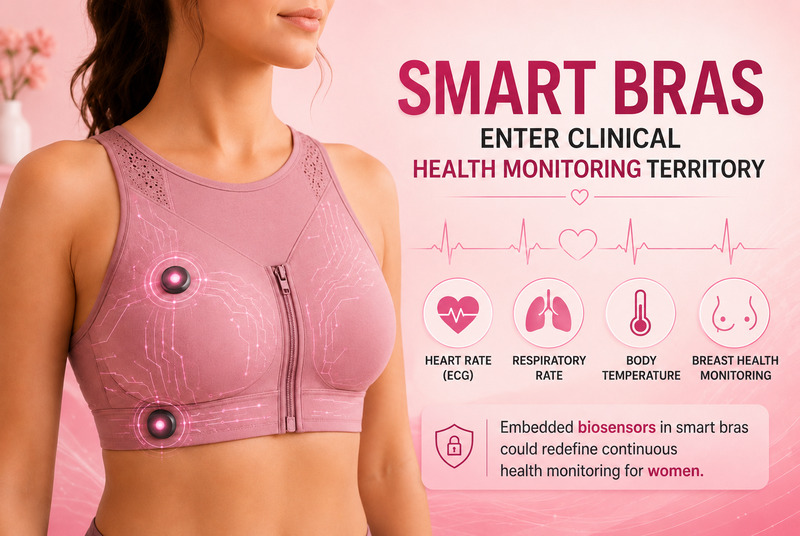
Smart Bras Move Toward Clinical Territory as Health Monitoring Drives Wearable Innovation
The next frontier in health wearables may not come in the form of a wr

Why the Global Bra Market Is Growing: Key Trends Driving Demand in 2026 and Beyond
The global bra market is growing faster than ever. What was once seen
The Most Common Bra Myths Debunked by Medical Experts
For years, advice about bras has been passed down through family tradi

Gen Z Shopping Habits Reshaping the Global Intimate Apparel Market
The intimate apparel industry is undergoing a significant transformati
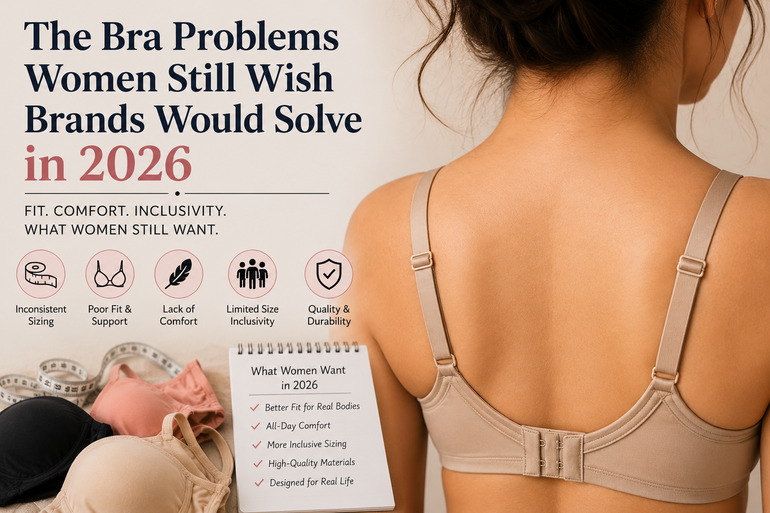
Women Continue to Demand Better Bra Fit, Comfort, and Size Inclusivity in 2026
Despite years of innovation in lingerie design, bra technology, and si
POST COMMENT