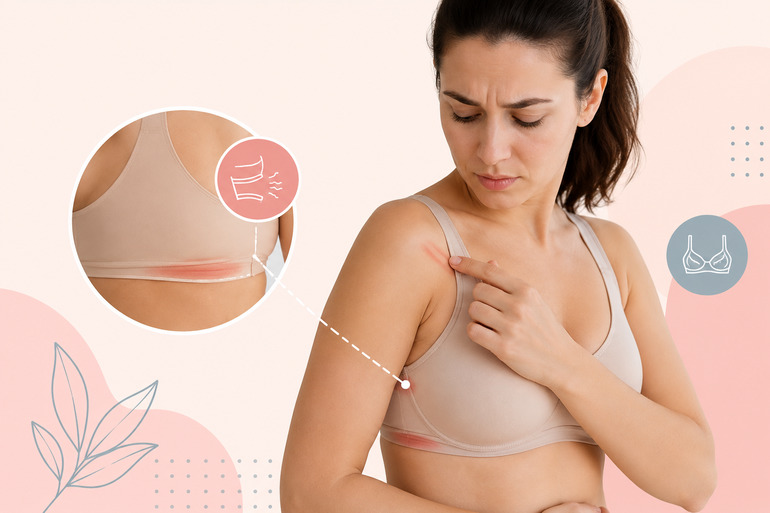
Signs Your Bra Is Too Tight and Causing Skin Irritation
Bras are designed to provide support and comfort throughout the day. However, many women experience redness, itching, pressure marks, chafing, or shoulder discomfort from bras that do not fit properly.
In many cases, the issue is not wearing a bra itself, but wearing one with the wrong fit, fabric, or support level for your body. Tight bands, rough seams, trapped sweat, and excessive compression may all contribute to irritation over time.
The good news is that bra-related discomfort is often manageable. Understanding the signs of a poor fit and making a few practical adjustments can improve daily comfort.
Can Tight Bras Really Cause Skin Irritation Or Discomfort?
Yes, tight bras can sometimes contribute to skin irritation and physical discomfort, particularly when prolonged pressure, trapped moisture, and friction affect sensitive areas of the skin. While mild pressure marks can happen occasionally, persistent irritation is usually a sign that the fit, material, or bra style may not be working well for your body.
How Pressure And Friction Affect The Skin?
When a bra is too tight, the band, straps, or underwire may repeatedly rub against the skin throughout the day. This friction can lead to:
- redness
- itching
- chafing
- tenderness
- burning sensations
- heat rash beneath the breasts
Sweat can worsen the problem by increasing moisture between the skin and fabric. Warm, damp conditions may make irritation more likely during exercise or hot weather.
According to MedlinePlus, friction, sweat buildup, and trapped moisture are common contributors to skin irritation and rashes in areas where skin or fabric rubs repeatedly.
Why Some People Are More Sensitive Than Others?
Some individuals naturally have more sensitive skin and may react more strongly to tight pressure or certain fabrics.
Common triggers include:
- eczema-prone skin
- elastic sensitivity
- lace irritation
- reactions to dyes or detergents
- hormonal skin changes
- increased sweating
Even a bra that feels comfortable for one person may irritate another.
Signs Your Bra Fits Properly Vs Too Tight.
| Feature | Properly Fitted Bra | Tight Bra |
| Band Feel | Snug but comfortable | Restrictive or digging |
| Shoulder Straps | Stay in place comfortably | Leave deep marks |
| Cup Fit | No spilling or gaps | Overflowing or compressed |
| Skin Comfort | Minimal irritation | Redness or chafing |
| Breathing | Comfortable movement | Feels restrictive |
| Underwire Position | Sits around breast tissue | Presses into skin |
What Causes Bra-Related Skin Irritation?
While tightness is one of the most common reasons behind bra discomfort, it is not always the only factor. Skin irritation often develops from a combination of friction, trapped moisture, fabric sensitivity, and prolonged wear, especially during exercise or hot weather.
Friction From Tight Bands And Seams.
Repeated rubbing is one of the most common causes of irritation. Thick seams, rough stitching, and tight elastic may continuously rub against delicate skin throughout the day.
Sweat And Moisture Buildup Under The Breasts.
Warmth and trapped sweat can irritate the skin beneath the breast fold. This becomes more common during humid weather, workouts, or long hours of wear.
The Cleveland Clinic notes that moist skin folds are more vulnerable to irritation and rashes because warmth and moisture encourage friction and skin breakdown.
Synthetic Fabrics And Poor Breathability.
Some fabrics trap heat more than others. Non-breathable materials may increase sweating and discomfort for individuals with sensitive skin.
Soft cotton blends and moisture-wicking fabrics are often more comfortable for daily wear because they improve airflow and reduce moisture buildup.
Lace, Elastic, Or Metal Sensitivity.
Decorative lace bra, tight elastic, and metal components may trigger itching or redness in some individuals. Nickel sensitivity around hooks or underwires can also contribute to irritation.
Wearing The Wrong Bra Size For Long Periods.
Even high-quality bras can become uncomfortable if the size is incorrect. Wearing a tight or poorly fitted bra daily may gradually increase pressure and friction over time.
Can Certain Types Of Bras Make Irritation Worse?
Not all bras create pressure in the same way. Certain styles may increase friction or compression depending on their design and how long they are worn throughout the day.
Underwire Bras And Pressure Points.
Underwire bras can provide strong support, but problems may develop when the wire presses into breast tissue or sits incorrectly against the ribs.
A poorly fitted underwire may contribute to:
- soreness
- rubbing
- skin indentation
- discomfort beneath the breasts
Tight Sports Bras And Compression Issues.
Sports bras are designed to reduce movement, so they naturally fit more firmly than everyday bras. However, excessive compression may create discomfort if the size is too small.
Wearing a damp sports bra for long periods after exercise may also increase irritation because moisture remains trapped against the skin.
Push-Up Bras And Restricted Fit.
Push-up bras often place extra pressure around the cups and center of the chest. If the fit is overly tight, this additional compression may feel uncomfortable during extended wear.
Old Bras With Damaged Support.
Bras lose elasticity with time. Older bras may shift unevenly against the skin, causing straps or wires to sit in uncomfortable positions.
Are Wireless Bras Better For Sensitive Skin?
Wireless bras can feel gentler for some individuals because they reduce rigid pressure points. However, comfort still depends on proper sizing, breathable materials, and overall support quality.
Common Bra Materials And Skin Comfort.
| Fabric Type | Breathability | Good For Sensitive Skin | Sweat Control |
| Cotton | High | Excellent | Moderate |
| Moisture-Wicking Blends | High | Good | Excellent |
| Lace | Low to Moderate | May Irritate Some Skin | Low |
| Polyester | Moderate | Depends On Sensitivity | Moderate |
| Nylon Blends | Moderate | Can Trap Heat | Moderate |
How To Tell If Your Bra Fits Properly?
Many cases of bra discomfort improve once the fit is corrected. A perfectly fitted bra seems to feel supportive throughout the day without causing pain, pinching, or constant adjustment.
What A Supportive Band Should Feel Like?
The band must be evenly around the body and feel secure without restricting movement or breathing. Almost complete support should come from the band rather than the straps.
How Straps Should Sit On The Shoulders?
Straps should stay comfortably in place without digging into the shoulders or leaving deep marks.
Signs The Cup Size Is Incorrect.
A cup that is too small may create spillage or pressure, while a cup that is too large may wrinkle or gap.
The breast tissue should sit comfortably inside the cups without pinching.
Why Professional Bra Fitting Can Help?
Body shape and bra size may change over time due to weight fluctuations, pregnancy, hormonal shifts, or aging. A professional fitting may help identify sizing problems that are easy to overlook.
How To Reduce Bra Discomfort And Skin Irritation?
The good news is that most mild irritation can often be improved with a few practical adjustments. Better sizing, breathable fabrics, and healthier wear habits may significantly reduce discomfort in everyday wear.
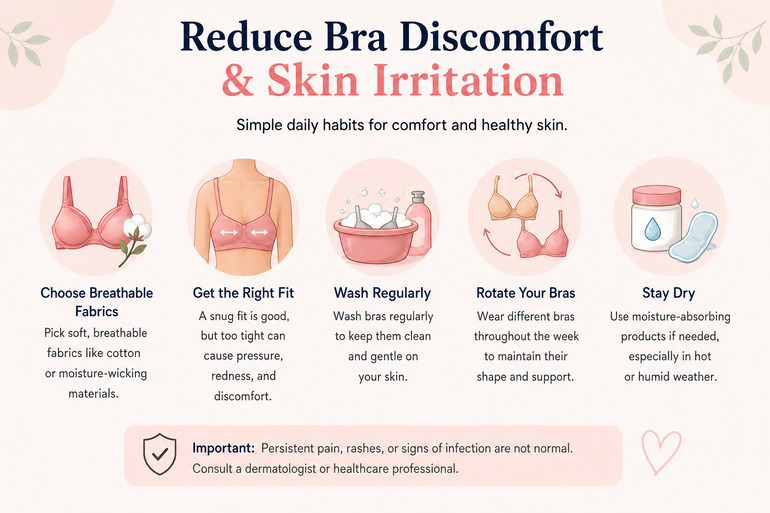
Choose Breathable, Skin-Friendly Fabrics.
Look for soft materials that improve airflow and reduce trapped moisture. Cotton blends and moisture-wicking fabrics are often gentler on sensitive skin.
Avoid Overly Tight Bands And Straps.
A tighter bra is not always more supportive. The fit should feel secure without digging into the skin or restricting breathing.
Wash Bras Regularly.
Sweat, oils, and detergent buildup may contribute to irritation over time. Regular washing helps keep fabrics cleaner against the skin.
Rotate Bras Throughout The Week.
Wearing the same bra every day may stretch the material faster and reduce support quality.
Use Moisture-Control Products If Needed.
During hot weather or exercise, moisture-absorbing powders or breathable liners may help reduce friction beneath the breasts.
Replace Bras That No Longer Fit Properly.
Bras naturally lose elasticity over time. If the fit has changed or the support feels uneven, replacing the bra may significantly improve comfort.
When Skin Irritation May Need Medical Attention.
Mild irritation often improves with a better fit and skin care. However, persistent symptoms should not be ignored, especially if the skin becomes painful or damaged.
- Persistent rashes or broken skin: Ongoing redness, peeling, or broken skin may require medical evaluation.
- Severe itching or swelling: Strong irritation could indicate an allergic reaction or another underlying skin condition.
- Signs of infection: Warmth, unusual odor, pus, or increasing pain may signal infection and should be assessed by a healthcare professional.
When To Speak With A Dermatologist.
If irritation continues despite changing bra styles and fabrics, a dermatologist can help identify possible triggers such as eczema or contact dermatitis.
The European Society of Medicine explains that persistent contact dermatitis symptoms may require professional treatment if irritation does not improve after avoiding triggers.
The Bottom Line.
Tight bras can contribute to discomfort, pressure, and skin irritation, especially when the fit, fabric, or support is not suited to your body. Friction, trapped moisture, rough materials, and excessive compression may lead to itching, redness, chafing, or soreness over time.
In many cases, improving comfort starts with simple adjustments such as choosing breathable fabrics, wearing the correct size, washing bras regularly, and replacing worn-out styles that no longer provide proper support.
A well-fitted bra should feel supportive without causing pain. Paying attention to recurring irritation and adjusting your bra fit when needed can help improve both comfort and skin health in everyday wear.
FAQs
Why Does My Bra Itch Even When It Fits?
Itching may be related to fabric sensitivity, detergent residue, sweat buildup, or rough seams rather than sizing alone.
Can Sports Bras Irritate Sensitive Skin?
Yes, especially if they trap moisture or fit too tightly during exercise.
How Tight Should A Bra Band Feel?
The band should feel snug and supportive without causing pain or restricting breathing.
Is It Normal For Bras To Leave Marks?
Light temporary marks can be normal, but painful or long-lasting marks may indicate a poor fit.
What Fabrics Are Best For Sensitive Skin?
Soft cotton blends, breathable fabrics, and moisture-wicking materials are often more comfortable for sensitive skin.
Related Posts
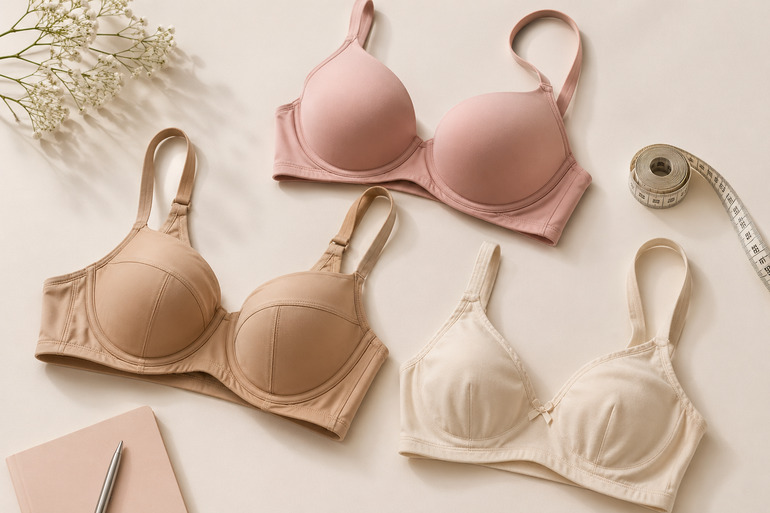
Breast Density & Bra Support: How Tissue Type Affects Fit and Comfort
Breast support is not just about size, it’s also about tissue type.
How to Find Lace Bras That Are Stylish, Supportive, and Comfortable
Many people are attracted to lace bras but do not wear them on a daily
10 Signs You’re Wearing the Wrong Bra Size (And How to Fix)
Finding the right bra size directly impacts your comfort, posture, and
Bralettes: Comfort vs Support Explained for Everyday Wear
A bralette is a soft, lightweight bra that typically has no underwire
Minimizer vs Support Bra: Which Is Better for a Fuller Bust?
Choosing the right bra becomes more important when you have a fuller b
Find Your Ideal Bra by Understanding Your Breast Shape
For many people, finding a bra that truly fits can feel frustrating. Y
POST COMMENT