Breast Density & Bra Support: How Tissue Type Affects Fit and Comfort
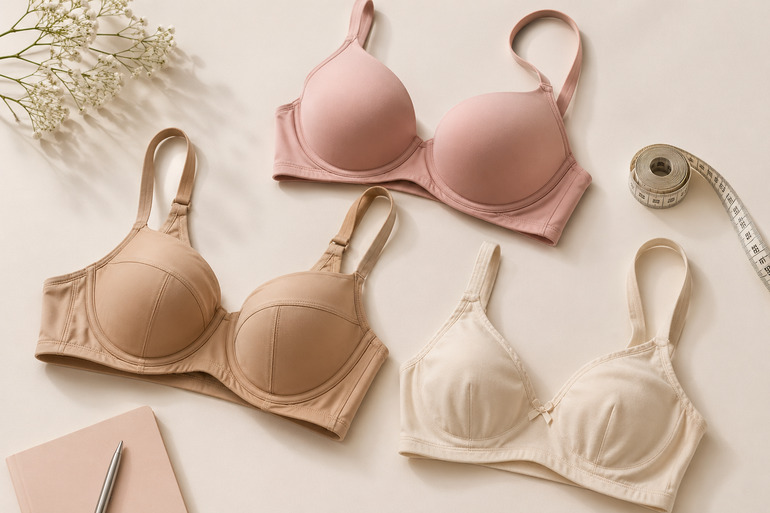
Breast support is not just about size, it’s also about tissue type. Many women wear the right size but still feel discomfort, sagging, or a lack of support. That’s where breast density comes in.
Most bra guides focus only on cup size and band measurements. But in reality, breast tissue type plays an equally important role in how a bra fits and supports your body. Two people of the same size can have completely different experiences simply because their breast density is different.
In this guide, we’ll explain breast density vs bra support, how tissue type affects fit, and how you can choose the right bra for better comfort and everyday support.
What Is Breast Density?
Breast density refers to the ratio of glandular tissue to fatty tissue in your breasts. This isn’t something you can measure at home precisely, but you can observe how your breasts feel and behave.
In simple terms:
- Dense breasts = firmer, heavier, less “jiggly.”
- Soft breasts = more fatty tissue, softer, more movement
This difference plays a huge role in how your bra supports you.
Research findings explain that dense tissue is structurally different and behaves differently under movement and pressure. That’s why two people with the same cup size may need completely different bras.
Breast Density vs Bra Support: What’s the Connection?
Understanding breast density vs bra support is key to solving many common fit issues. Density affects weight distribution, bounce, and how your breasts sit inside a bra.
Here’s how it works:
- Dense breasts are heavier and need stronger structural support
- Soft breasts need shaping and lift rather than just firmness
- The same bra can feel supportive for one person and useless for another
Think of it like this:
A firm object needs reinforcement, while a soft object needs shaping.
Quick Comparison Table.
| Breast Type | Main Challenge | Support Need | Ideal Features |
| Dense/Firm | Heaviness, pressure | Strong support | Underwire, firm bands |
| Soft | Sagging, lack of shape | Lift + shaping | Molded cups, side support |
| Mixed | Uneven feel | Balanced support | Adaptive cup structure |
How Breast Density Affects Bra Support in Real Life?
Many women assume discomfort means the wrong size, but often, it may be the wrong structure. Here’s how breast density affects bra support:
- Weight distribution:
Dense breasts concentrate weight in one area, putting more strain on straps and bands.
- Movement control:
Soft breasts move more, so they need containment rather than compression.
- Cup behavior:
Dense tissue doesn’t “mold” easily into cups, while soft tissue does.
According to the Cleveland Clinic, tissue composition affects how the breast responds to pressure and movement, which directly impacts support needs.
Soft vs Dense Breasts Bra Fitting Guide.
Choosing a bra without understanding your tissue type leads to frustration. This section will help you match your needs to the right features.
For Dense (Firm) Breasts:
If your breasts feel firm and hold their shape without a bra:
Best features:
- Strong underwire for lift
- Wide, firm band
- Full coverage cups
- Minimal stretch fabric
Avoid:
- Stretchy bralettes
- Light support bras
Best bras for dense breast tissue usually focus on structure, not softness.
For Soft Breasts:
If your breasts feel softer and change shape easily:
Best features:
- Molded or padded cups
- Side support panels
- Balconette or plunge styles
- Light compression for shaping
Avoid:
- Unlined, loose cups
- Overly rigid bras that flatten
Soft tissue needs shaping more than force.
Signs You Need More Bra Support for Heavy Breasts.
Sometimes your body gives clear signals that your current bra isn’t doing its job.
Watch for these signs:
- Shoulder pain or deep strap marks
- Band riding up your back
- Constantly adjusting throughout the day
- Breast spillage or lack of containment
- Feeling “pulled down” by weight
These are common signs you need more bra support for heavy breasts, especially if you have dense tissue.
How to Choose a Bra Based on Breast Tissue Type?
Now that you understand the basics, you can make much smarter choices when shopping for a bra. Instead of guessing, focus on how your body actually behaves in a bra.
Here’s a simple step-by-step way to get it right:
- Start by identifying your tissue type.
Pay attention to how your breasts feel and move. Are they firm and self-supporting, or softer with more natural movement? This small observation gives you a strong starting point.
- Match support to your actual needs.
Think in terms of function, not just style. Dense breasts usually need structure and strength, while soft breasts benefit more from shaping and gentle lift.
- Focus on the band first.
A well-fitted band should do most of the work. It should sit straight across your back and feel snug without digging in. If your straps are doing all the lifting, the support is off.
- Test how the bra performs in motion.
Don’t just stand still, move around a bit. Raise your arms, take a few steps, or lightly bounce. A good bra should keep everything in place without discomfort or constant adjusting.
When you follow these steps, bra shopping becomes less confusing and much more effective.
The Bottom Line.
Understanding breast density vs bra support can completely change how your bras feel. It’s about how your body is built. Dense breasts need strength and structure. Soft breasts need lift and shaping.
When you match your bra to your tissue type, you get better comfort, better posture, and better confidence.
The takeaway is simple: Stop chasing the “perfect size” and start choosing the right support system for your body.
Related Posts
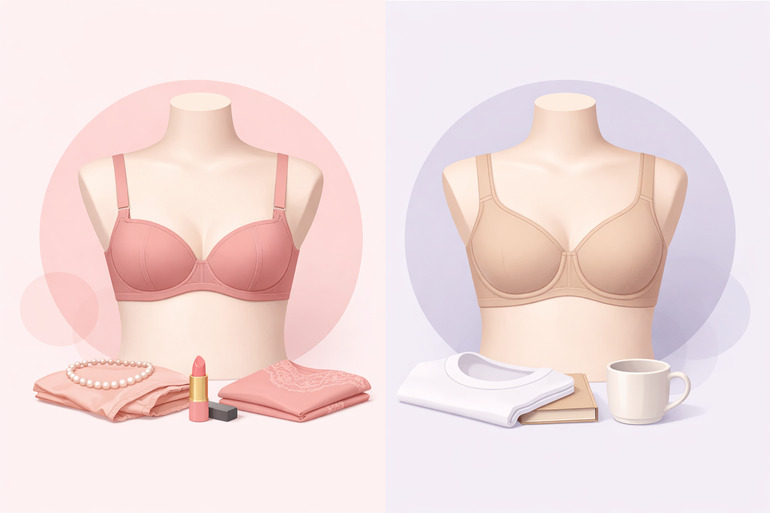
Balconette vs Full Coverage Bras: What Really Fits You Best?
You put on a balconette bra instead of your usual full coverage bra, a
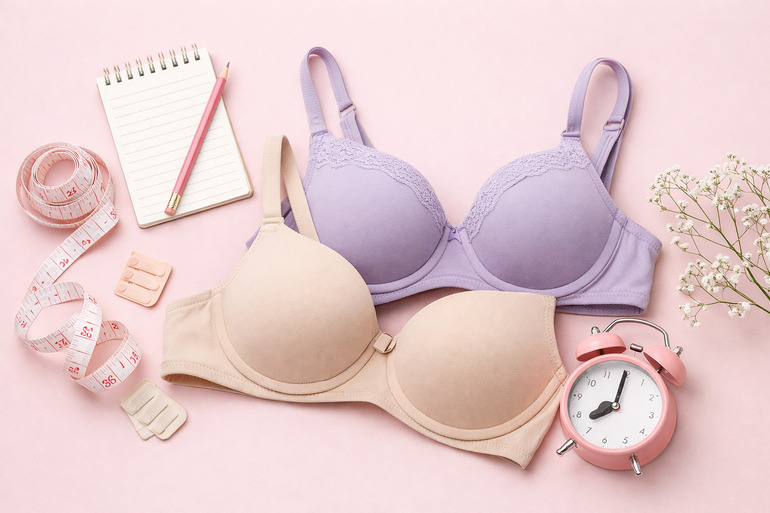
How Often to Remeasure Bra Size for Best Fit & Comfort
A bra that once felt perfect can slowly become uncomfortable, and most
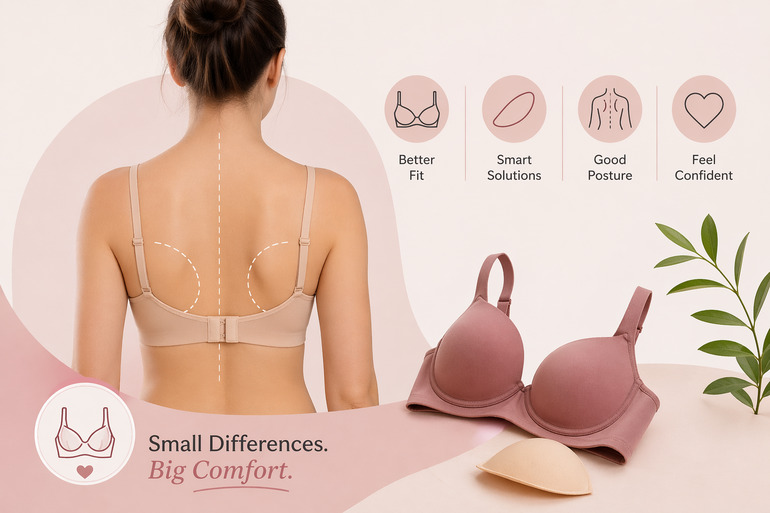
Asymmetrical Breasts Solutions: How to Fix Uneven Breasts
Asymmetrical breasts means that one breast differs from the other in s
How Often Should You Replace a Bra? Signs It’s Time for a New One
Most women keep a bra far longer than they should. You love the fit, t
Bralettes: Comfort vs Support Explained for Everyday Wear
A bralette is a soft, lightweight bra that typically has no underwire
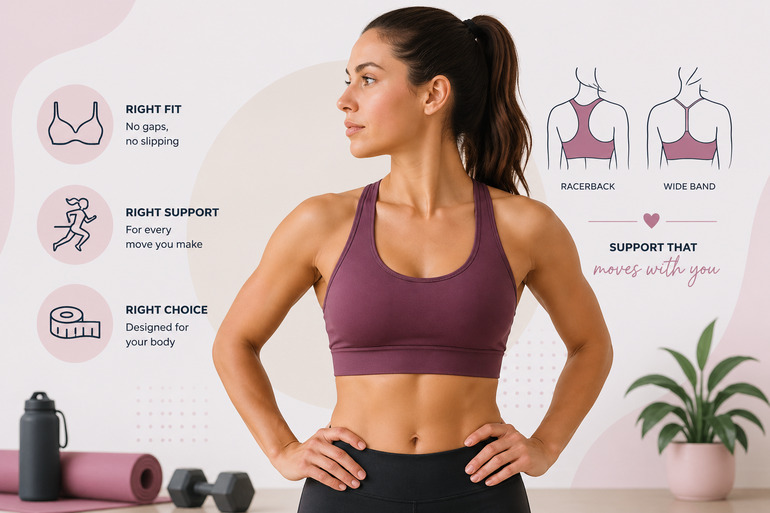
How to Choose the Right Sports Bra for an Athletic Body Type
Let’s be honest, most sports bras are not made with athletic bodies
POST COMMENT