
The Workplace and the Invisible Expectations Around Bras
The modern workplace has become more flexible in many ways. Dress codes are less formal than they once were, remote work has changed how people think about comfort, and conversations about inclusion are more common than ever. Yet one expectation often remains unspoken: the assumption that women should wear a bra at work.
Unlike a written dress code, this expectation usually exists through workplace culture rather than company policy. Many women feel pressure to wear a bra because they worry about being judged as unprofessional or attracting unwanted attention, even when there is no official rule requiring it.
These invisible expectations continue to shape workplace experiences despite changing attitudes toward personal choice.
The Shift Toward Comfort and Choice.
The rise of hybrid work has encouraged many employees to rethink what comfort means in professional settings. For some women, that means choosing wireless bras, bralettes, or softer designs instead of traditional structured bras. Others believe wearing a bra should remain a personal decision rather than an unwritten workplace requirement.
The lingerie industry has responded to this shift by introducing more comfort-focused products, reflecting changing consumer priorities. Many employers are reviewing dress code policies to ensure they focus on professionalism instead of gender-specific expectations.
The Society for Human Resource Management has also highlighted the importance of inclusive workplace dress code policies that support business needs while respecting employees’ personal choices.
Modern HR guidance increasingly encourages organizations to avoid unnecessary gender-specific requirements and instead focus on overall professional appearance.
Redefining Professionalism.
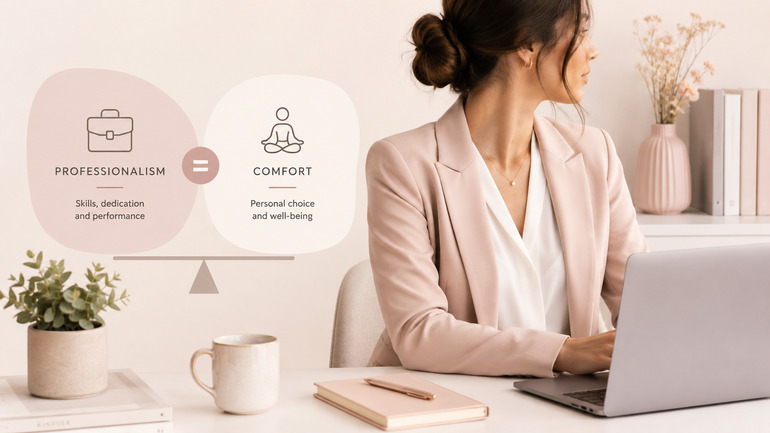
Professionalism should ultimately be measured by the quality of a person’s work, communication, and conduct, not by assumptions about what they wear beneath their clothing.
While certain industries may require specific uniforms or presentation standards, expectations surrounding intimate apparel often stem from social norms rather than business necessity.
As workplaces continue to evolve, conversations around dress codes are becoming more balanced. Employers are recognizing that clear, inclusive policies help create respectful environments where employees are evaluated for their skills and performance instead of outdated appearance standards.
The discussion around bras in the workplace is therefore less about clothing itself and more about autonomy, comfort, and allowing individuals to make personal choices without fear of professional judgment.
Related Posts

Gen Z Shopping Habits Reshaping the Global Intimate Apparel Market
The intimate apparel industry is undergoing a significant transformati
Social Media Reshapes Bra Shopping as Consumer Discovery Moves Beyond Traditional Retail
The way consumers shop for bras has undergone a significant transforma
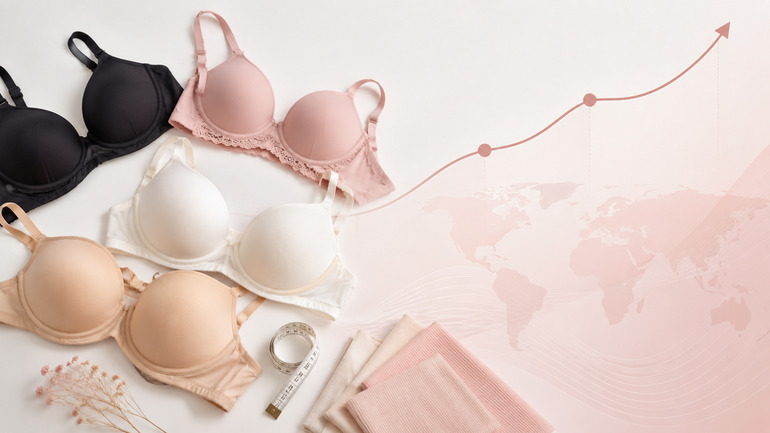
Why the Global Bra Market Is Growing: Key Trends Driving Demand in 2026 and Beyond
The global bra market is growing faster than ever. What was once seen

Bra Conversations Remain Restricted Across Many Societies
Despite growing awareness of women's health issues worldwide, discussi
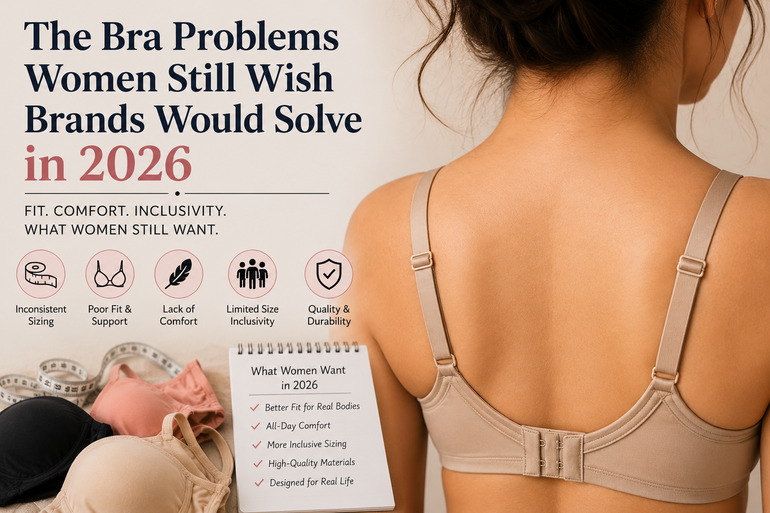
Women Continue to Demand Better Bra Fit, Comfort, and Size Inclusivity in 2026
Despite years of innovation in lingerie design, bra technology, and si
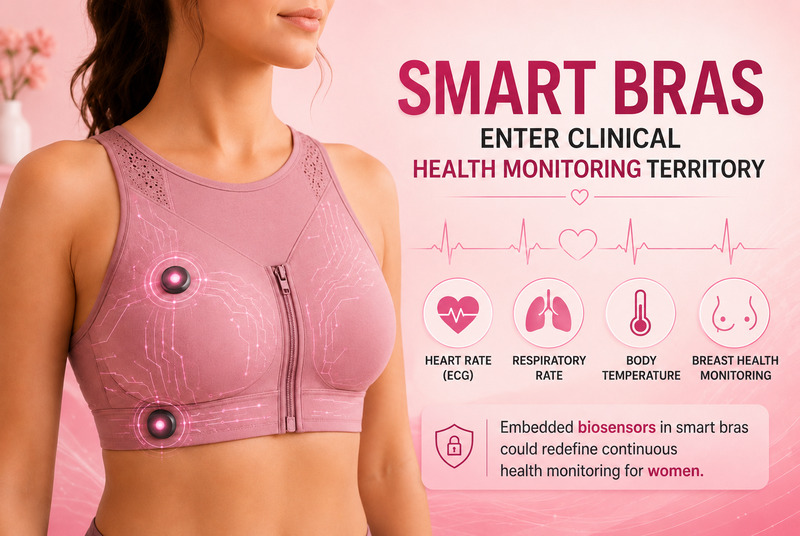
Smart Bras Move Toward Clinical Territory as Health Monitoring Drives Wearable Innovation
The next frontier in health wearables may not come in the form of a wr
POST COMMENT