How to Choose the Right Sports Bra for an Athletic Body Type
Let’s be honest, most sports bras are not made with athletic bodies in mind.
If you have a smaller bust, strong shoulders, or a muscular chest, you’ve probably faced this: the band fits, but the cups gap, or everything feels too tight, but still doesn’t support you properly.
So what’s actually going wrong?
In this guide, we will break down how to choose a sports bra for an athletic body type in a way that actually makes sense. You’ll learn what works, what doesn’t, and why certain designs feel better on your body.
What Is an Athletic Body Type (And Why It Matters for Sports Bras)?
An athletic body type is not about being “skinny” or “fit.” It’s about how your body is structured, especially in the upper body.
In most cases, an athletic build includes:
- Broader shoulders compared to the hips
- A naturally smaller or medium bust
- Firmer chest tissue due to muscle
- A wider ribcage
- Less natural breast projection (less forward fullness)
This combination changes how a bra sits on your body.
Why Standard Bra Fit Advice Doesn’t Work Here?
Now here’s the real issue.
Most bra sizing systems are designed around a fuller bust + narrower ribcage ratio. That’s the opposite of many athletic bodies.
So what happens?
- Cups may gape even if the band fits
- Bands may feel tight because of ribcage width
- Straps may dig due to the shoulder structure
- Support feels “off” even in the right size
This is why many women say, “My size is correct, but it still doesn’t feel right”. Because the problem isn’t size, it’s body mechanics vs bra design.
What does this mean for choosing a Sports Bra?
Once you understand your body type, your approach changes completely. Instead of asking:
“Which size should I buy?”
You start asking:
- Does this bra adapt to muscle movement?
- Is the support coming from the band or just straps?
- Does the design match a flatter chest profile?
That’s the shift that actually helps you find the right fit.
Mini takeaway:
If you have an athletic body, don’t follow generic bra rules. Your structure needs adaptive support, not just correct sizing.
How to Choose a Sports Bra for an Athletic Body Type?
Choosing the right sports bra is about how it performs during movement, not how it looks in the mirror.
Start With the Band: Your Real Support System.
Most women underestimate the band, but it’s the foundation of everything.
For athletic bodies:
- The band should feel firm against your ribcage
- It should not move when you lift your arms
- It should not dig into the muscle
If your band is loose, no strap or padding will fix the support issue. A simple test: raise your arms. If the band shifts upward, it’s too loose.
Understand Support Levels.
Not all workouts need the same bra, but many women wear one type for everything.
Here’s a clean breakdown you can directly use:
| Activity Type | Support Level | What You Need |
| Yoga / Stretching | Light | Flexible, breathable, low compression |
| Gym / Cycling | Medium | Balanced hold + comfort |
| Running / HIIT | High | Maximum control, minimal bounce |
Sports Bra Fit Guide for Muscular Females.
Now, let’s get very practical. What does a correct fit actually feel like? This is where most “fit guides” stay vague. Let’s make it real.
A properly fitted sports bra should:
- Sit flat against your chest (no space)
- Hold tissue firmly without flattening uncomfortably
- Stay in place during jumping or quick movement
- Allow deep breathing without restriction
According to insights aligned with research from the American Council on Exercise, poor support during workouts can affect posture and cause unnecessary upper-body strain. So if your bra is shifting, bouncing, or distracting you, it’s affecting performance.
Compression vs Encapsulation Sports Bra: Which Is Better?
This is one of the most misunderstood areas, especially for athletic builds.
Let’s simplify it properly:
| Type | How It Works | Best For |
| Compression | Presses chest against body | Small chest, low–medium impact |
| Encapsulation | Separates and supports each breast | More shape + structured support |
| Hybrid | Combines both | High-impact + best stability |
For athletic body types:
- Compression works well for minimal bounce
- But hybrid designs perform better in intense workouts
If you run, jump, or train hard, don’t rely on compression alone.
Best Sports Bra Styles for Athletic Bodies.
Not all sports bra designs work the same way on an athletic build. The right style can improve support, comfort, and how the bra moves with your body.
Here are the styles that tend to work best:
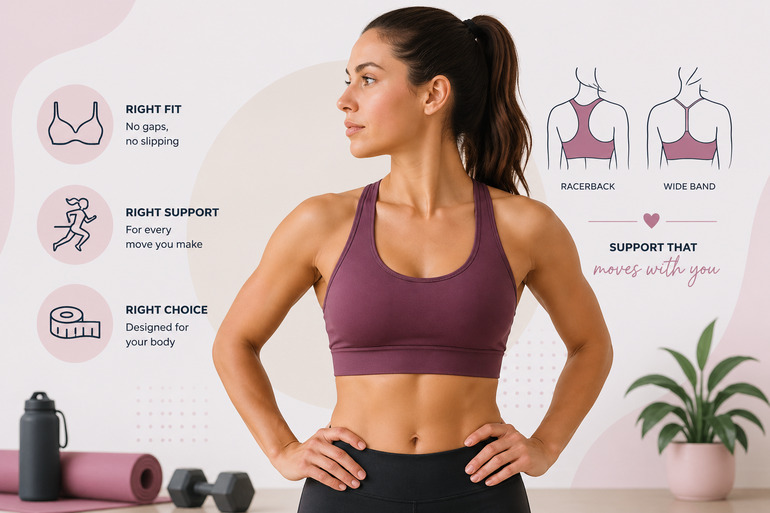
- Racerback: Racerback sports bras are one of the best choices for athletic body types. The strap design distributes weight evenly across your shoulders and prevents slipping during movement. They also offer better support for activities like running and strength training.
- Longline: Longline sports bras extend slightly below the bust, creating a more stable base. For athletic bodies with a wider ribcage, this helps distribute pressure and reduces the feeling of tightness around the band.
- High-neck: High-neck styles provide extra coverage and compression, which can help minimize bounce during high-impact workouts. They’re especially useful if you prefer a more secure, locked-in feel.
- Adjustable strap bras: Adjustable straps allow you to customize the fit based on your shoulder width and muscle structure. This is important for athletic builds, where fixed straps can often feel too tight or too loose.
Best Sports Bra Features for Small-Chest Athletic Builds.
If you have a smaller chest with an athletic build, your goal is not extra padding, it’s controlled, stable support that moves with your body.
What actually works:
- Light to medium compression with firm, supportive fabric
- Minimal or no molded cups (prevents gaping)
- Flexible stretch that adapts to chest and muscle movement
- Clean seams or seamless construction to reduce friction
What to avoid:
- Thick molded or structured cups (often create gaps)
- Overly loose bands that rely on straps for support
- Style-focused bras that lack functional support
Sports Bra Sizing Tips for Athletes.
Sizing is where even experienced buyers go wrong, because sports bras don’t follow standard rules consistently.
Here’s what works in real life:
- Always try 2 sizes if you’re unsure
- Focus on band feel, not cup label
- Re-check fit after 2–3 washes
- Test with movement (not just standing still)
The Bottom Line.
Finding the right athletic body type sports bra is less about size and more about understanding your body mechanics.
Once you focus on:
- Strong band support
- Correct support level
- Smart design (not just style)
- Real movement testing
Everything changes.
You stop adjusting your bra mid-workout. You feel more stable. And most importantly, you can focus on your performance instead of discomfort.
That’s when you know you’ve found the right one.
Related Posts
Bralettes: Comfort vs Support Explained for Everyday Wear
A bralette is a soft, lightweight bra that typically has no underwire
The Psychology of Bra Confidence: Why It Really Matters
You put on a bra every morning without thinking twice. It feels like t
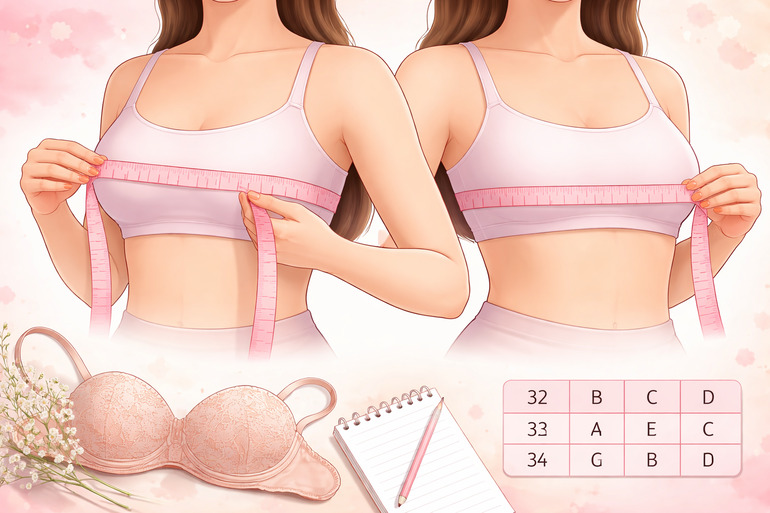
Bust Measurement vs Bra Measurement: Key Differences Explained (Fit Guide)
Finding the right fit starts with understanding your body, but when it
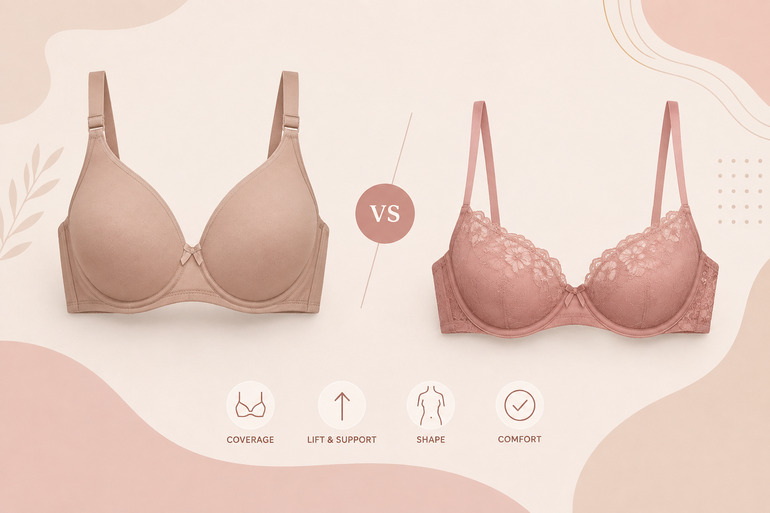
Full-Cup vs. Balconette Bras: Which Is Better for a Sagging Bust?
Sagging, medically called ptosis, happens to almost every woman over t
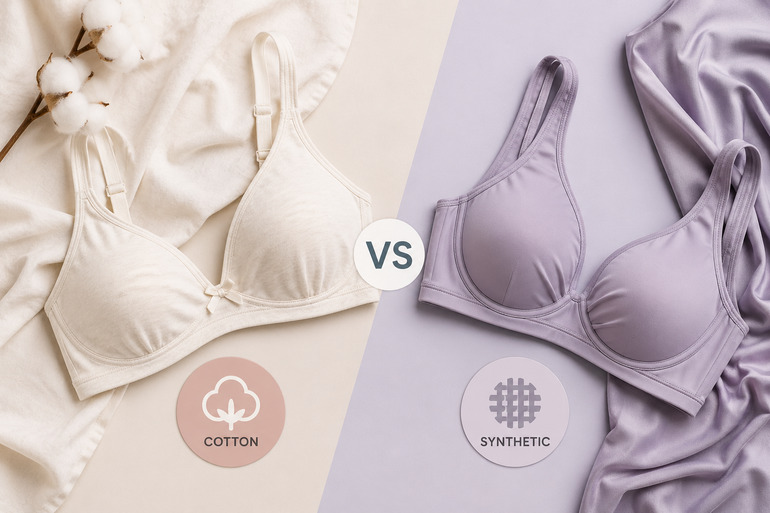
Cotton vs Synthetic Bras: Which Fabric Is More Comfortable for Everyday Wear?
A bra may fit perfectly and still feel uncomfortable after a few hours
How Often Should You Replace a Bra? Signs It’s Time for a New One
Most women keep a bra far longer than they should. You love the fit, t
POST COMMENT