
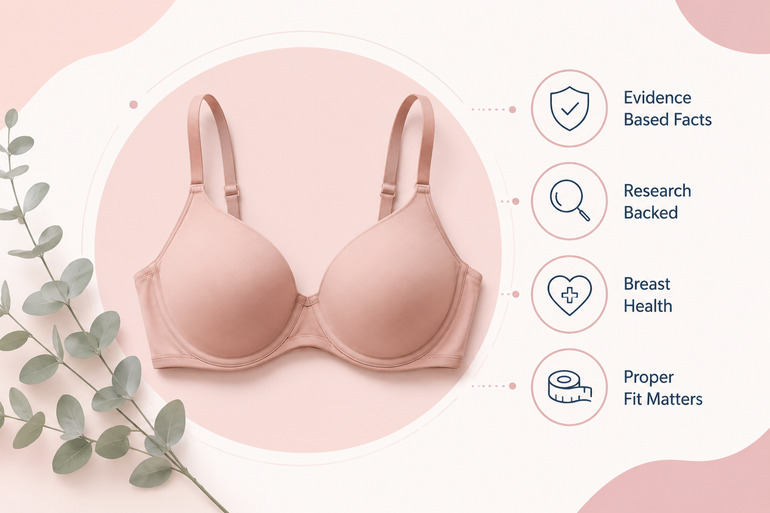
The Most Common Bra Myths Debunked by Medical Experts
For years, advice about bras has been passed down through family traditions, fashion trends, and social media discussions. However, many widely accepted beliefs about bras have little scientific backing. Recent research and statements from major health organizations continue to challenge some of the most common claims surrounding bra use, breast health, and comfort.
As consumers become more health-conscious, medical experts are urging people to rely on evidence rather than myths when making decisions about bra fit and everyday wear.
The Myth That Bras Prevent Breast Sagging.
One of the most common beliefs is that wearing a bra prevents breasts from sagging over time. According to breast health experts, breast sagging (ptosis) is primarily influenced by genetics, aging, pregnancy, weight fluctuations, and skin elasticity rather than bra usage alone.
A widely discussed study led by French sports medicine researcher Jean-Denis Rouillon found no evidence that regular bra use prevents long-term sagging. While experts note that additional research is needed, there is currently no scientific consensus supporting the claim that bras can stop natural changes in breast tissue.
Medical professionals generally agree that bras may provide support and comfort, particularly during physical activity, but they do not alter the biological aging process of breast tissue.
Underwire Bras and Breast Cancer: What the Evidence Shows.
Perhaps the most persistent bra-related myth is that underwire bras increase the risk of breast cancer by restricting lymphatic drainage.
Major cancer organizations have repeatedly rejected this claim. The American Cancer Society states that there is “no scientific or clinical basis” for the belief that bras cause breast cancer. A 2014 population-based case-control study published in Cancer Epidemiology, Biomarkers & Prevention examined 1,513 postmenopausal women, including 1,044 women diagnosed with breast cancer and 469 control participants.
Researchers found no evidence that bra-wearing habits, including underwire use, cup size, age at first bra use, or hours worn per day, were associated with an increased risk of breast cancer.
Sleeping in a Bra a Medical Risk?
Another widespread misconception is that wearing a bra while sleeping can damage breast tissue or increase disease risk.
Medical experts say there is no evidence supporting this claim. Research has not shown any connection between sleeping in a bra and breast cancer, impaired circulation, or breast deformities. Instead, healthcare professionals recommend making the decision based on personal comfort.
Individuals experiencing breast tenderness may prefer light-support sleep bras, while others may find sleeping without a bra more comfortable.
The Real Problem: Millions Are Wearing the Wrong Bra Size.
While many bra myths have been disproven, poor bra fit remains a genuine concern.
A 2017 bra-fit study involving 309 women found that incorrect fit was most common in bra cups, straps, and front bands. Researchers concluded that poor bra fit remains widespread across multiple breast-size categories.
Another 2025 study published in the International Journal of Fashion Design, Technology and Education found that every participant assessed objectively had at least one bra-fit issue. Researchers identified 77 separate fit problems, with oversized cups, loose straps, and poor band positioning among the most common concerns.
Additional research has linked ill-fitting bras to shoulder pain, neck discomfort, and musculoskeletal strain, particularly among women with larger bust sizes.
Why Do These Myths Matter to the Lingerie Industry?
The growing focus on evidence-based health information is reshaping how consumers evaluate lingerie products. Industry experts note that shoppers increasingly expect brands to provide accurate sizing guidance and factual health information rather than relying on long-standing marketing claims.
As misinformation continues to spread online, healthcare professionals are emphasizing education around proper fit, comfort, and breast health awareness instead of unsupported warnings about specific bra styles.
The Conclusion!
The medical consensus is becoming increasingly clear: bras do not prevent sagging, underwire bras do not cause breast cancer, and sleeping in a bra is not harmful for most people. The issue that deserves the most attention is proper bra fit, which research consistently links to comfort, support, and overall quality of life.
For consumers, the takeaway is straightforward. Choosing a bra should be based on fit, comfort, and personal preference, not myths that have been repeatedly challenged by scientific evidence.
Related Posts

Bra Conversations Remain Restricted Across Many Societies
Despite growing awareness of women's health issues worldwide, discussi
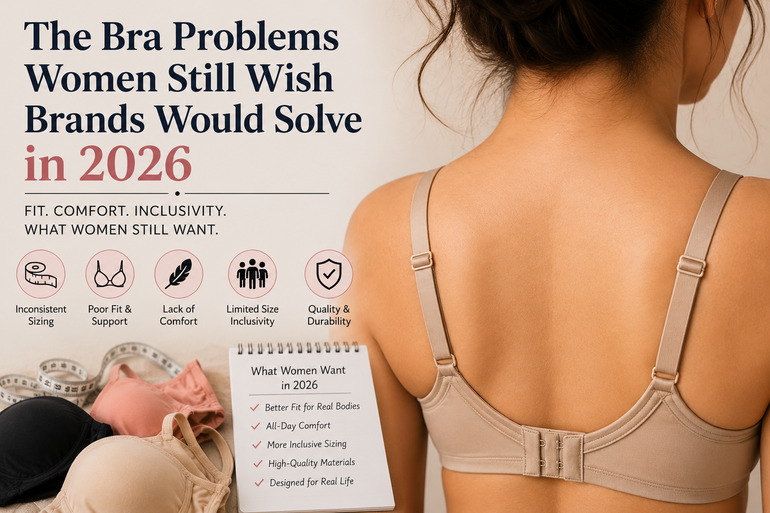
Women Continue to Demand Better Bra Fit, Comfort, and Size Inclusivity in 2026
Despite years of innovation in lingerie design, bra technology, and si

The Workplace and the Invisible Expectations Around Bras
The modern workplace has become more flexible in many ways. Dress code
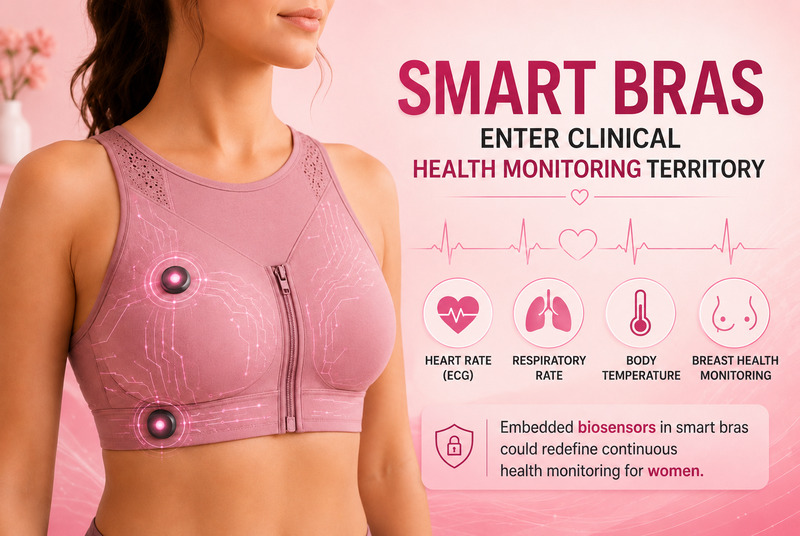
Smart Bras Move Toward Clinical Territory as Health Monitoring Drives Wearable Innovation
The next frontier in health wearables may not come in the form of a wr

Social Media Reshapes Bra Shopping as Consumer Discovery Moves Beyond Traditional Retail
The way consumers shop for bras has undergone a significant transforma

Why the Global Bra Market Is Growing: Key Trends Driving Demand in 2026 and Beyond
The global bra market is growing faster than ever. What was once seen
POST COMMENT