
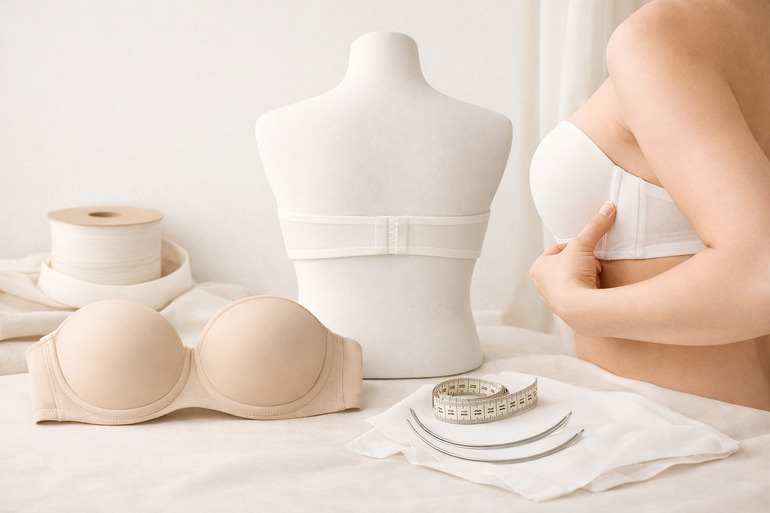
Strapless Bras: How They Stay Up (Complete Guide)
Strapless bras are often seen as tricky, either they stay perfectly in place, or they constantly need adjusting. If you’ve ever dealt with slipping, digging, or a lack of support, you’re not alone. Most of these issues come down to how the bra is designed and how well it fits your body.
Strapless bras differ from regular bras because they depend completely on a firm band, supportive structure, and grip to stay securely in place. That means small differences in fit or construction can make a noticeable impact on how they perform throughout the day.
Here, we take a closer look at strapless bras, how they stay up, what keeps them secure, and what to consider when choosing a style that actually works.
How Strapless Bras Actually Work?
At first glance, strapless bras seem to be missing the most important part: straps. But in reality, they are engineered differently from the ground up. Every element is designed to replace what straps normally do.
Instead of pulling from the shoulders, strapless bras rely on grip, structure, and a strong foundation around your ribcage. This shift in support is what makes them work, or fail, depending on the quality and fit.
Once you understand this, choosing the right one becomes much easier.
How Do Strapless Bras Stay Up Without Slipping?
The secret isn’t one feature, it’s a combination of mechanics working together. When even one part is off, the whole system breaks down.
Band Does Most of the Work.
The band is the backbone of any bra. Research on bra biomechanics shows that support is distributed around the torso, with the band contributing a significant share of the load, while straps provide secondary support.
In strapless bras:
- The band holds nearly all the weight
- It anchors the bra firmly around your body
- It prevents downward movement
If the band isn’t snug, nothing else will fix the problem.
Silicone Grip and Elastic Edges.
Most modern strapless bras include silicone lining. It creates friction against the skin.
This grip:
- Reduces sliding during movement
- Helps the bra “stay put” without discomfort
- Works best on clean, dry skin
However, even small things like body lotion can reduce this grip significantly.
Structured Cups and Boning.
Structure is what replaces the lifting effect of straps. Without it, the bra collapses.
Key elements include:
- Underwire for lift
- Molded cups for shape
- Side boning for vertical stability
These features distribute weight evenly, which is why better-quality bras feel more secure.
How Should a Strapless Bra Fit Properly?
Even the best design won’t work if the fit is off. Most slipping issues come from sizing mistakes, not the bra itself.
A proper fit should feel secure, but not suffocating. The goal is stability, not tightness for the sake of it.
Band Fit.
- Snug and firm around the ribcage
- Stays level from front to back
- Doesn’t ride up when you move
Cup Fit.
- No spilling or gaping
- Smooth shape under clothes
- Full coverage without pressure
Center and Sides.
- Center sits flat against your chest
- Side panels feel supportive, not loose
Quick Insight: If you keep pulling your bra up, it’s almost always a loose band, not a cup issue.
Why Do Strapless Bras Fall Down and How to Fix Them?
If your strapless bra keeps slipping, there’s always a reason. And in most cases, it’s fixable with small adjustments.
Common Reasons
- Band too loose
- Cups incorrectly sized
- Elastic worn out
- Low-quality materials
- Skin moisture-reducing grip
How to Fix It?
- Try a smaller band size
- Choose bras with silicone lining
- Replace old bras (elastic weakens faster than you think)
- Opt for structured designs with boning
- Consider longline styles for extra support
Mini Takeaway: A falling strapless bra is a design or fit issue, not something you have to “tolerate.”
Strapless Bra Support vs Regular Bra.
Strapless bras and regular bras are designed differently, which affects how they feel and perform.
| Feature | Regular Bra | Strapless Bra |
| Support | Shared between straps and band | Mostly band-based support |
| Comfort | Generally more comfortable for long wear | Depends on fit and construction |
| Use Case | Everyday wear | Strapless, off-shoulder, formal outfits |
Are Strapless Bras Comfortable for All-Day Wear?
Comfort is not about the type of bra, it’s about how well it matches your body. Many women assume strapless automatically means uncomfortable, but that’s not always true.
For many people:
- A well-fitted strapless bra feels secure and stable
- A poorly fitted one feels tight and constantly shifting
To improve comfort:
- Choose breathable fabrics
- Avoid overly rigid designs if you’ll wear it for long hours
- Make sure the band isn’t digging into your skin
Bust Size Consideration (Large vs Small Bust)
Both large and small busts can wear strapless bras comfortably, but the support needs are different.
For small busts, strapless bras usually stay in place more easily with light structure, while larger busts require stronger bands, side boning, and reinforced support to prevent slipping and provide proper lift throughout the day.
Tips to Keep a Strapless Bra from Sliding Down?
Even with the right bra, small habits can make a big difference. These are practical fixes that actually work in real life.
Simple Tips
- Wear it on clean, dry skin
- Avoid lotions before wearing them
- Adjust once properly instead of constantly pulling
- Use fashion tape for extra hold if needed
- Store bras properly to maintain elasticity
The Bottom Line.
How a strapless bra stays up isn’t a mystery, it’s a combination of fit, structure, and smart design.
When the band is snug, the grip is effective, and the structure is strong, a strapless bra can stay in place just as reliably as a regular one.
If yours isn’t working, don’t assume all strapless bras are the same. The right fit and design can completely change your experience.
Related Posts
10 Signs You’re Wearing the Wrong Bra Size (And How to Fix)
Finding the right bra size directly impacts your comfort, posture, and
Signs Your Bra Is Too Tight and Causing Skin Irritation
Bras are designed to provide support and comfort throughout the day. H
Bust Measurement vs Bra Measurement: Key Differences Explained (Fit Guide)
Finding the right fit starts with understanding your body, but when it
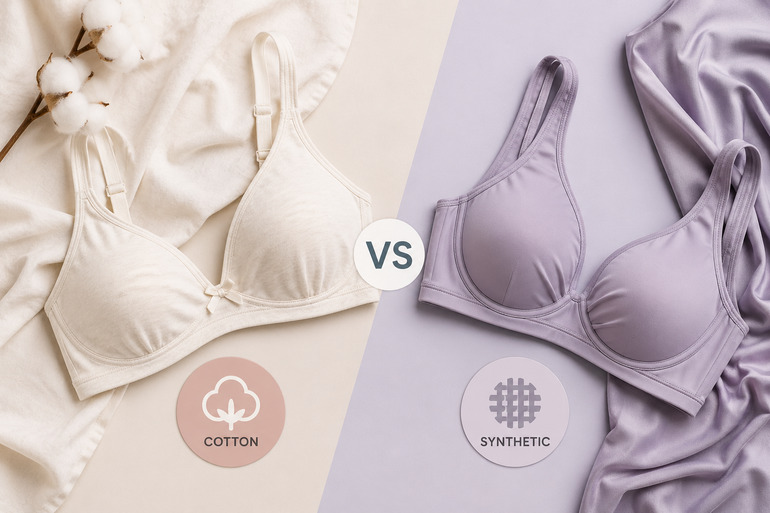
Cotton vs Synthetic Bras: Which Fabric Is More Comfortable for Everyday Wear?
A bra may fit perfectly and still feel uncomfortable after a few hours
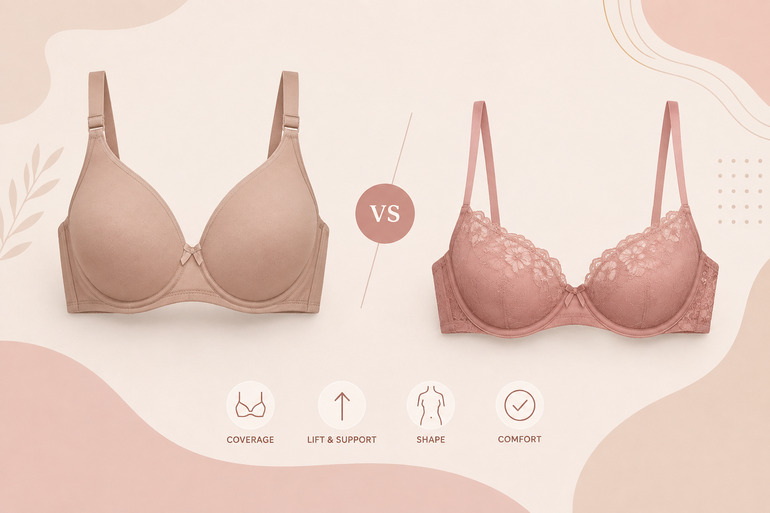
Full-Cup vs. Balconette Bras: Which Is Better for a Sagging Bust?
Sagging, medically called ptosis, happens to almost every woman over t
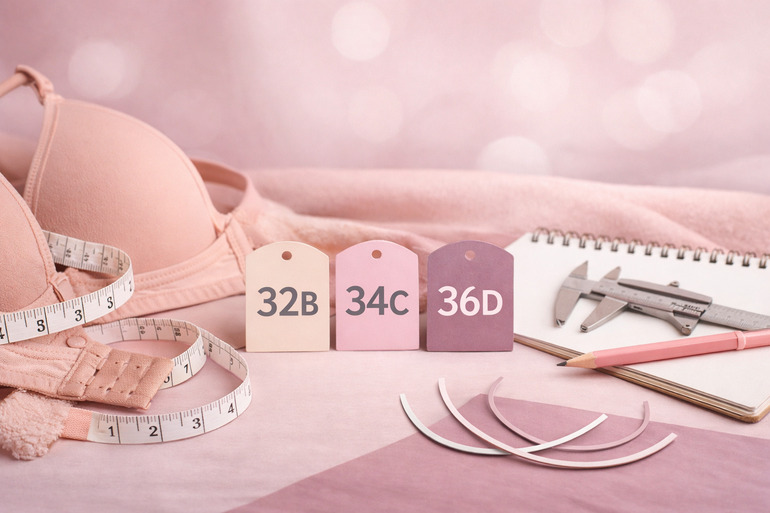
Understanding Band and Cup Sizes
Choosing the right bra size can feel confusing. Many people see number
POST COMMENT