

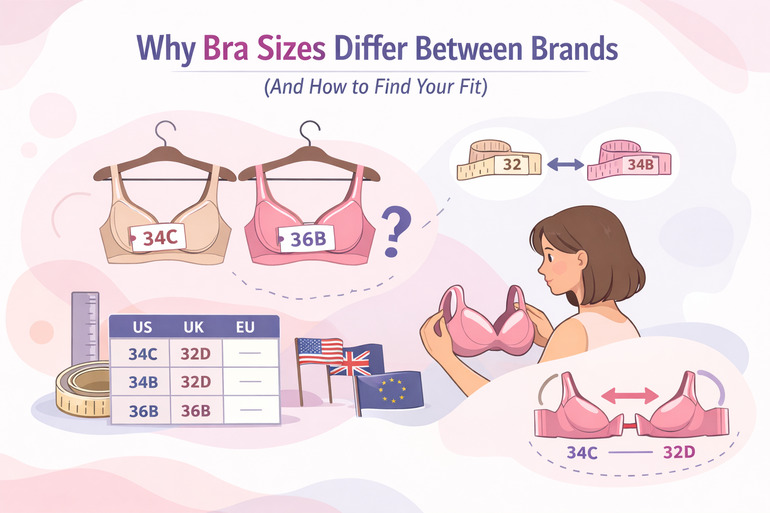
Why Bra Sizes Differ Between Brands
Have you ever worn a 34C in one brand and a 36B in another — and both felt completely different?
You’re not alone. Many shoppers feel confused when their usual size does not fit the same across brands. This can make online shopping frustrating and in-store fitting stressful.
The truth is simple: bra sizes are not fully standardized. In this guide, you’ll learn why bra sizes differ between brands, how sizing systems work, and how to confidently find your best fit.
Key Takeaways
- There is no single global sizing standard, so bra sizes can vary between brands.
- Small differences in size charts, grading, and fabric stretch can change how the same size fits.
- US, UK, and EU sizing systems are not identical, which adds more confusion.
- Sister sizing can help if your band or cups feel slightly off.
- The best fit depends on comfort and support, not just the size on the label.
Quick Answer: Why Bra Sizes Differ Between Brands.
Bra sizes differ between brands because there is no single global sizing standard. Each brand may use:
- Slightly different size charts
- Different fit models
- Unique manufacturing grading systems
- Different fabric stretch levels
- Regional sizing systems (US, UK, EU)
Even small design changes can affect how a bra fits. That is why the same size may feel tighter, looser, or shaped differently depending on the brand.
How Bra Sizing Actually Works.
Before understanding bra sizing differences, it helps to know how sizing is supposed to work.
Band Size Explained.
The band size is the number part (for example, 32, 34, 36).
It measures around your ribcage, just under your bust. The band provides most of the support. Ideally, it should feel snug but comfortable.
Different brands may:
- Measure ribcage differently
- Add extra inches to the band measurement
- Use different stretch materials
This leads to band size variations.
Cup Size Explained.
The cup size is the letter (A, B, C, D, etc.).
Cup size is based on the difference between:
- Your bust measurement
- Your band measurement
For example:
- 1-inch difference = A cup
- 2-inch difference = B cup
- 3-inch difference = C cup
However, this system is not perfectly consistent across brands. That is where cup size inconsistency begins.
Simple Example.
If you measure as a 34C in Brand A, Brand B may design their 34C with:
- A tighter band
- Slightly deeper cups
- More padding
As a result, it may not feel the same at all.
Main Reasons Why Bra Sizes Differ Between Brands.
1. Different Size Charts.
Brands create their own bra size chart variations.
While many follow general guidelines, they often adjust measurements slightly to match their target customer. Even a half-inch difference can change how a bra fits.
2. Manufacturing Grading Systems.
In apparel production, “grading” means scaling patterns up or down for different sizes.
Not all companies use the same grading method. This affects:
- Cup depth
- Strap placement
- Band width
- Underwire shape
Small grading differences create noticeable fit changes.
3. Fit Models and Target Customers.
Most brands use fit models when designing bras. A fit model represents the body shape the brand designs for.
Some brands may design for:
- A fuller bust shape
- A wider ribcage
- A shallower cup shape
If your body shape differs from their fit model, the bra may not fit you the same way.
You may explore our guide on: Common bra fitting mistakes
4. International Sizing Systems.
International bra sizing adds another layer of confusion.
US vs UK vs EU Differences:
- US sizing may use DDD.
- UK sizing uses double letters like DD, FF, GG.
- EU sizing uses numbers for band size and different cup progression.
Even when sizes look similar, they may not be identical.
International Bra Size Comparison (Simplified).
Band Size Example:
- US 34 = UK 34 = EU 75
Cup Example:
- US DDD ≠ UK E
- UK DD ≠ EU DD
Always check an international bra sizing conversion chart before buying from overseas brands.
What Is Sister Sizing?
Sister sizing means different size combinations can fit the same cup volume.
For example:
- 34C
- 32D
- 36B
These sizes hold similar cup volume but different band sizes.
If your band feels tight but cups fit well, you might try going up a band size and down a cup size.
Understanding sister sizing can make shopping across brands much easier.
Signs Your Bra Does Not Fit Properly.
Watch for these signs:
- Band rides up in the back
- Straps dig into shoulders
- Cups gap or overflow
- Underwire pokes or lifts away
- You feel discomfort after short wear
If you notice these, it may not be your body. It may simply be bra sizing differences between brands.
Expert Shopping Tips Across Brands.
When shopping across brands:
- Always check the brand’s size chart
- Read fit reviews carefully
- Try sister sizes if unsure
- Avoid assuming your size is universal
- Start with your measured size as a guide
If shopping online, you may consider ordering two nearby sizes and returning one.
Frequently Asked Questions.
Why do I wear different bra sizes in different brands?
Because brands use different size charts, grading systems, and fit models. There is no single universal standard.
Is my body changing if my size differs?
Not necessarily. The variation is often due to brand sizing differences, not your body.
Are expensive bras more accurate in sizing?
Price does not guarantee consistency. Even premium brands may size differently.
How often should I measure my bra size?
Every 6-12 months, or sooner if your body changes.
The Bottom Line.
Bra sizing can feel confusing, but it does not have to be.
Now that you understand why bra sizes differ between brands, you can shop with more confidence. Focus on comfort, use size charts as a guide, and remember that labels are only starting points.
Your best fit is the one that feels supportive and comfortable, no matter what the tag says.
Related Posts
Understanding Band and Cup Sizes
Choosing the right bra size can feel confusing. Many people see number
How to Measure Your Bra Size Accurately at Home
Finding the right bra size can make a big difference in your daily com
Differences Between US, UK, EU, and Asian Bra Sizes: A Complete Guide
Have you ever excitedly clicked “buy” on a beautiful bra from an o
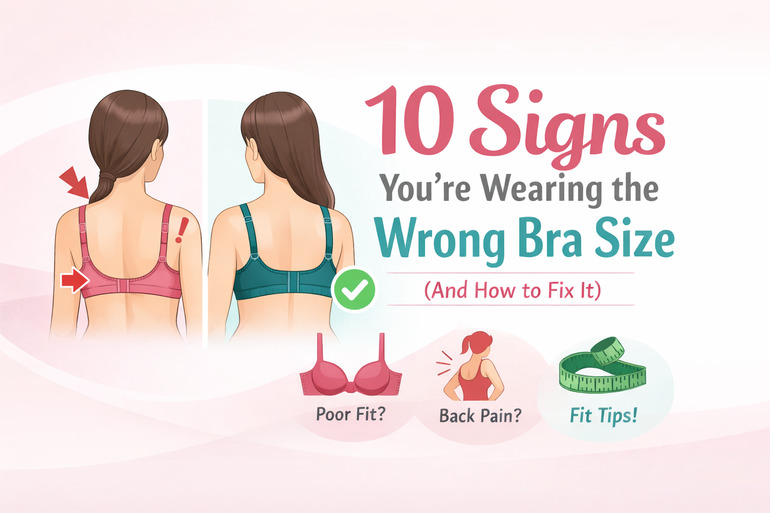
10 Signs You’re Wearing the Wrong Bra Size (And How to Fix)
Finding the right bra size directly impacts your comfort, posture, and
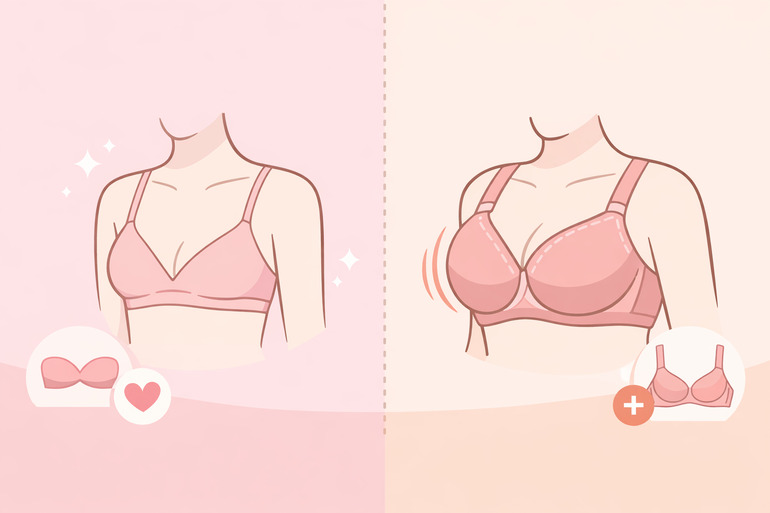
Small vs Large Bust Support Needs: Tips for Comfort and Proper Fit
Understanding how bust size affects support needs is important for com
![Common Bra Fitting Mistakes Women Make [And How to Fix Them]](https://bestbrasguide.com/wp-content/uploads/2026/02/bra-fitting-mistakes.jpg)
Common Bra Fitting Mistakes Women Make [And How to Fix Them]
Proper bra fit influences posture, support, confidence, and everyday c

POST COMMENT