
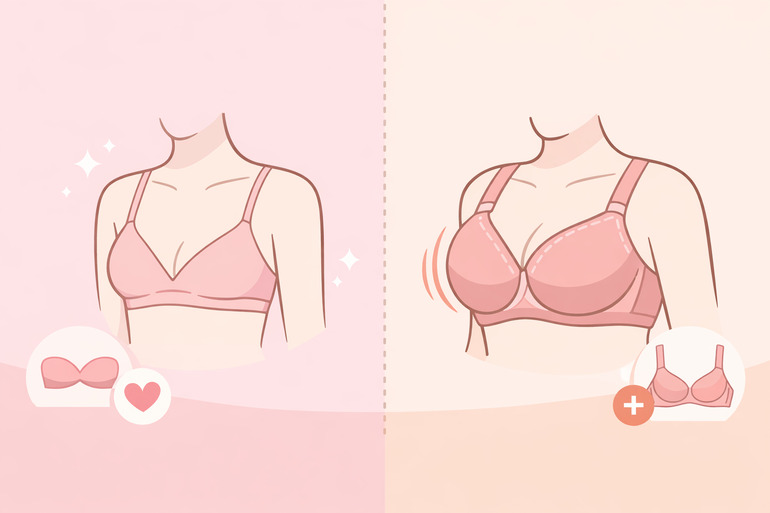
Small vs Large Bust Support Needs: Tips for Comfort and Proper Fit
Understanding how bust size affects support needs is important for comfort, posture, and overall well-being. While everybody is unique, people with smaller and larger busts often face very different challenges. Choosing the right support can make a big difference in daily life, from reducing discomfort to improving confidence.
In this article, we’ll explore the key differences between small and large bust support needs, along with practical tips to help you make the best choices.
Understanding Bust Size and Body Diversity.
Bust size varies widely from person to person. It is influenced by factors such as genetics, body weight, and hormonal changes. However, support needs are not only about size, but they also depend on body shape, activity level, and personal comfort.
That said, general patterns exist. Smaller busts usually require lighter support, while larger busts need more structure and reinforcement.
Support Needs for Small Busts.
People with smaller busts often have more flexibility when it comes to support. Their needs tend to focus on comfort and style rather than heavy support.
1. Light Support is Often Enough.
In most cases, heavy support is not necessary. Soft bras, bralettes, or lightly lined options can provide enough coverage while maintaining comfort. Some may also choose to go without a bra, depending on the outfit and personal preference.
2. Greater Style Flexibility.
Because there is less weight to support, many styles work well, including:
- Strapless bras for open-shoulder outfits
- Triangle bras for a natural look
- Bandeau tops for casual or layered wear
3. Focus on Comfort.
Soft, breathable fabrics and lightweight designs are often preferred. In contrast, overly tight bands or heavily structured bras may feel restrictive and unnecessary for everyday use.
4. Natural Shape Enhancement.
While not essential, some individuals may opt for lightly padded or molded cups to enhance shape or create a smoother silhouette under clothing. However, this is a personal choice rather than a support requirement.
Support Needs for Large Busts.
Larger busts come with greater weight, which creates more demand for proper support. Without the right support, discomfort and health issues can arise.
1. Strong Structural Support.
A well-structured bra is essential. Key features include:
- Wide, firm bands that anchor support around the torso
- Full-coverage cups that fully contain and shape the bust
- Underwire or reinforced seams that help lift and distribute weight
2. Weight Distribution.
Equally important, proper support should spread weight evenly across the body. A supportive band does most of the work, while the cups and straps assist. As a result, this balance helps reduce strain on the upper back, shoulders, and neck.
3. Secure Straps and Bands.
In contrast to thinner designs, wider and adjustable straps offer better comfort and stability. They prevent digging into the skin and help keep the bra in place throughout the day, especially during long hours of wear.
4. Stability During Movement.
Finally, minimizing movement is key for both comfort and confidence. High-support sports bras or reinforced everyday bras help reduce bounce during physical activity. This not only prevents discomfort but also protects breast tissue over time.
Key Differences in Support Requirements.
Here’s a simple comparison of the main differences:
| Feature | Small Bust | Large Bust |
| Support Level | Light | High |
| Strap Width | Thin or optional | Wide and padded |
| Band Strength | Flexible | Firm and supportive |
| Cup Structure | Soft or unlined | Structured and full-coverage |
| Movement Control | Minimal concern | Very important |
Common Challenges.
While support needs differ, both small and large busts come with their own unique challenges. Understanding these can help in making better, more comfortable choices.
For Small Busts.
- Finding the right fit: Some bras may gap at the cups, especially if they are not designed for smaller sizes.
- Limited natural shaping: Certain outfits may not sit as smoothly without light structure or shaping.
- Overly padded designs: Heavily padded bras can feel bulky or unnatural for everyday wear.
For Large Busts.
- Back, neck, or shoulder pain: Extra weight can lead to ongoing discomfort without proper support.
- Difficulty finding the right fit: Not all brands offer inclusive sizing or consistent support features.
- Skin irritation: Tight straps or bands may dig into the skin, causing marks or discomfort.
- Limited style options: Supportive bras are sometimes less varied in design, making it harder to balance function and fashion.
Choosing the Right Bra or Support Garment.
While personal preference plays a role, choosing based on your bust size and support needs can make a noticeable difference in daily wear.
Tips for Small Busts.
- Choose breathable fabrics: Soft, lightweight materials help keep you comfortable throughout the day.
- Match your style to your outfit: Opt for designs that complement your clothing, such as strapless or low-cut options.
- Try bralettes or wireless bras: These are ideal for everyday wear and provide gentle support without restriction.
- Avoid overly tight bands: A snug fit is important, but tight bands can feel uncomfortable and unnecessary.
Tips for Large Busts.
- Prioritize fit over appearance: A well-fitting bra will always feel better, even if style options seem limited.
- Check the band fit carefully: It should sit snugly around the torso without digging into the skin.
- Choose wide, supportive straps: These help distribute weight and reduce pressure on the shoulders.
- Opt for full-coverage cups: This prevents spillage and provides better shaping and stability.
- Consider professional fitting: If possible, getting fitted can help you find the most accurate size and improve overall comfort.
Myths and Misconceptions.
Myth 1: Small Busts Don’t Need Support.
While smaller busts require less structural support, comfort and proper fit still matter. The right bra can improve how clothing fits and feels throughout the day.
Myth 2: Larger Busts Always Require Underwire.
Not necessarily. Although underwire bras are popular for support, many well-designed wireless options can also provide excellent lift and stability.
Myth 3: Tight Bras Provide Better Support.
In reality, overly tight bras can cause discomfort, skin irritation, and even pain. A properly fitted bra should feel snug but not restrictive.
Myth 4: One Size Fits All.
Bust size and body shape vary widely from person to person. That’s why finding the right size and style for your body is essential for both comfort and support.
The Bottom Line.
The support needs of small and large busts differ mainly due to weight, structure, and comfort requirements. Small busts often benefit from light, flexible support, while large busts require strong, structured designs to ensure comfort and health.
Choosing the right support is about understanding your body and finding what works best for you. With the right approach, you can improve comfort, posture, and confidence in your everyday life.
FAQs.
1. Do small busts need bras every day?
Not necessarily. Many people with small busts can go without a bra comfortably. It depends on personal preference and outfit choice.
2. What type of bra is best for large bust support?
Full-coverage bras with strong bands, wide straps, and structured cups usually provide the best support.
3. Can wearing the wrong bra cause pain?
Yes. Poorly fitted bras can lead to shoulder, back, and neck pain, especially for larger busts.
4. Are sports bras necessary for all bust sizes?
Yes. Sports bras help reduce movement and provide comfort during physical activity, regardless of size.
5. How do I know if my bra fits correctly?
A well-fitting bra should have a snug band, comfortably resting straps, and cups that fully support the bust without any overflow or empty spaces.
Related Posts
Bust Measurement vs Bra Measurement: Key Differences Explained (Fit Guide)
Finding the right fit starts with understanding your body, but when it
How to Measure Your Bra Size Accurately at Home
Finding the right bra size can make a big difference in your daily com
10 Signs You’re Wearing the Wrong Bra Size (And How to Fix)
Finding the right bra size directly impacts your comfort, posture, and

Differences Between US, UK, EU, and Asian Bra Sizes: A Complete Guide
Have you ever excitedly clicked “buy” on a beautiful bra from an o
Understanding Band and Cup Sizes
Choosing the right bra size can feel confusing. Many people see number
Find Your Ideal Bra by Understanding Your Breast Shape
For many people, finding a bra that truly fits can feel frustrating. Y

POST COMMENT