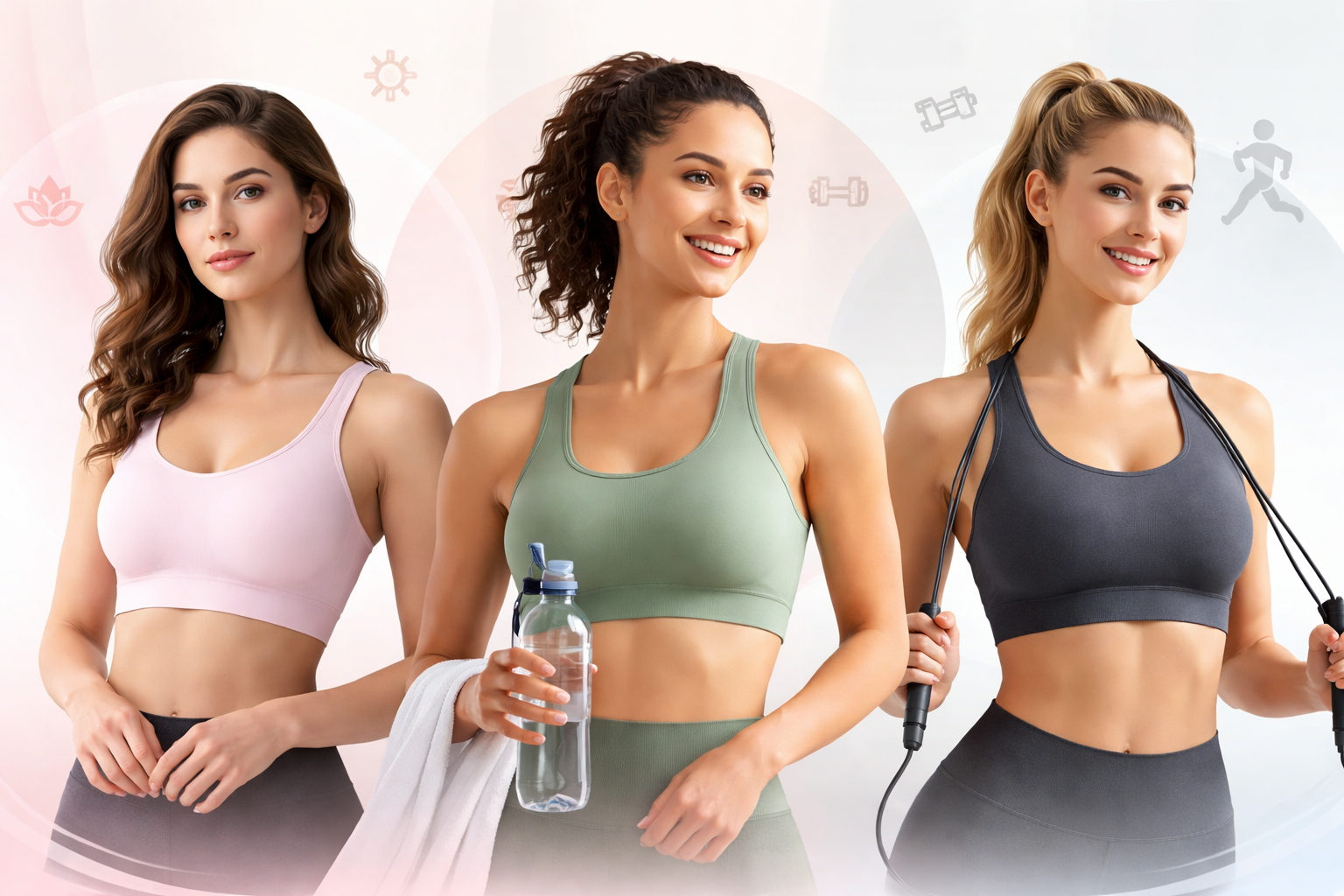
Sports Bra Impact Levels Explained: Low, Medium & High Support Guide
Ready for a great workout, but within minutes you’re fixing straps, adjusting, and losing focus? That’s a common sports bra problem. The wrong one can make even simple exercises uncomfortable.
This is why sports bra impact levels matter. Different workouts create different amounts of movement, and your body needs the right level of support to stay comfortable and protected.
In this guide, you’ll learn what sports bra impact levels mean, how they work, and how to choose the right support for your workouts so you can move freely and confidently without distraction.
What Is a Sports Bra?
A sports bra is a specially designed bra that provides support to the breasts during physical activity. Unlike regular bras, it is built to reduce movement, minimize discomfort, and protect the breast ligaments from strain during exercise.
When you move, especially during workouts like running or jumping, your breasts can move in multiple directions. This movement can cause discomfort, pain, and, over time, even permanent stretching of the ligaments. A sports bra helps control this motion and keeps everything securely in place.
Most sports bras achieve this support in two main ways:
- Compression: Pressing the breasts against the chest to limit movement.
- Encapsulation: Supporting each breast individually for better control and shape.
Modern sports bras are also made with breathable, moisture-wicking fabrics to keep you cool and dry during workouts. Some include features like adjustable straps, padded cups, and wide bands for added comfort and stability.
In simple terms, a sports bra is an essential piece of gear that improves comfort and protects your body during exercise.
Sports Bra Impact Levels Explained (What It Really Means).
Not all workouts put the same stress on your body. Some movements are gentle, while others create intense bounce and strain on breast tissue. That’s where impact levels come in.
Sports bras are designed based on the intensity of movement. The higher the impact, the more control and support you need. It also helps reduce strain on ligaments, which don’t naturally bounce back once stretched.
In simple terms:
- Low impact: minimal movement
- Medium impact: moderate bounce
- High impact: intense movement and control
According to research on breast movement during exercise, breasts move in multiple directions, and this movement increases during high-impact activities like running and jumping. This is exactly why sports bra impact levels matter, as higher-impact workouts need stronger support to control motion and reduce discomfort.
High Impact vs Low Impact vs Medium Impact Sports Bra.
| Feature | Low Impact | Medium Impact | High Impact |
| Support Level | Light | Moderate | Maximum |
| Movement Control | Minimal | Controlled | Strong control |
| Comfort Feel | Soft & relaxed | Balanced comfort | Firm & secure |
| Best Use | Yoga, lounging | Gym, cycling | Running, HIIT |
| Structure | Flexible | Semi-structured | Structured |
How to Choose the Right Impact Sports Bra for Workouts.
Many women ask: how to choose the right impact sports bra for workouts? The answer depends on three main factors: activity, breast shape and size, and personal comfort.
1. Match it to your activity
- High-intensity workouts (running, HIIT) → need strong support
- Moderate workouts (gym, cycling) → medium support works well
- Low movement (yoga, stretching) → light support is enough
2. Consider your bust size
- Smaller bust → medium support is often enough for most workouts
- Larger bust → more support is usually needed, even for moderate activity
3. Focus on real comfort and performance
- The band should feel snug and stay in place
- Straps shouldn’t dig into your shoulders
- There should be minimal bounce when you move
Quick check: If you notice bouncing, discomfort, or shoulder strain, your bra likely isn’t supportive enough.
How Should a High-Impact Sports Bra Fit Properly?
Even the best sports bra won’t work if it doesn’t fit correctly. Fit is where most people go wrong.
Here’s what to check:
- Band: Should feel snug, not tight. It provides most of the support.
- Straps: Should stay in place without digging into your shoulders.
- Cups: No gaps or spillage. Everything should be fully contained.
- Movement Test: Jump lightly, there should be minimal bounce.
If the bra rides up or feels painful, it’s not the right size or style.
Common Mistakes When Choosing Sports Bra Impact Levels.
Even experienced buyers make these mistakes while purchasing their bras:
- Choosing based on style instead of support
- Wearing the same bra for all workouts
- Ignoring proper sizing
- Assuming tighter always means better
In reality, the right balance of support and comfort is what matters most.
The Bottom Line.
Understanding the impact levels of sports bras helps you make smarter, more comfortable choices. The right bra supports your body, reduces strain, and improves your workout experience.
Key takeaways:
- Match the bra to your activity level
- Don’t ignore proper fit
- Medium impact works for most gym routines
- High impact is essential for running and intense workouts
At the end of the day, the best sports bra is the one that feels secure, comfortable, and lets you move with confidence.
Related Posts
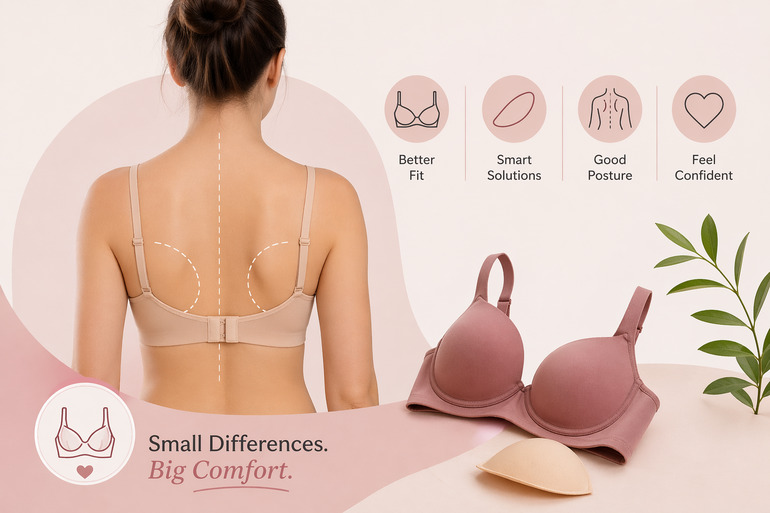
Asymmetrical Breasts Solutions: How to Fix Uneven Breasts
Asymmetrical breasts means that one breast differs from the other in s
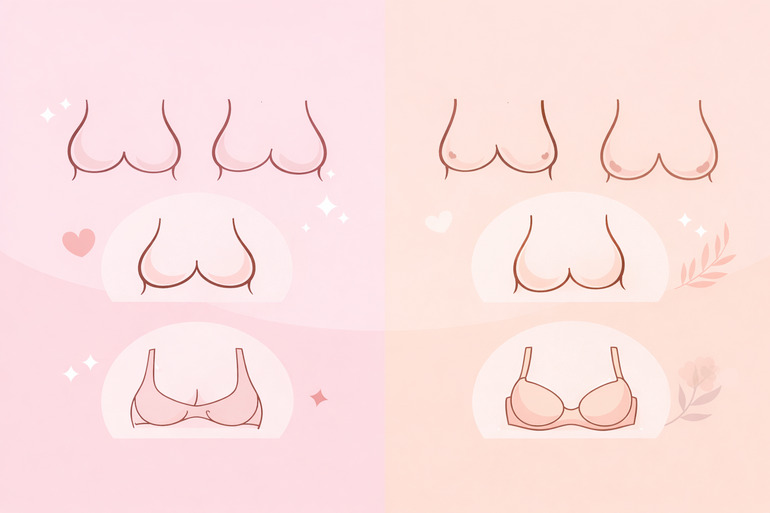
Find Your Ideal Bra by Understanding Your Breast Shape
For many people, finding a bra that truly fits can feel frustrating. Y
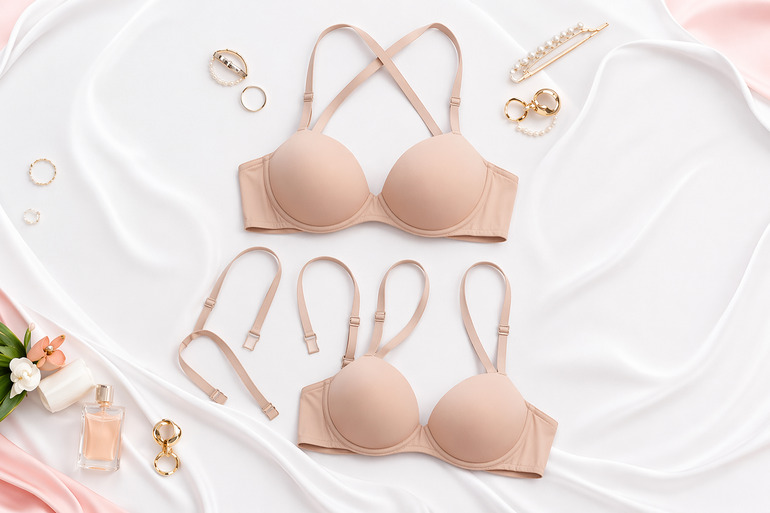
Convertible Bra Uses: How to Wear It with Any Outfit
Ever picked out the perfect outfit, only to have visible bra straps co
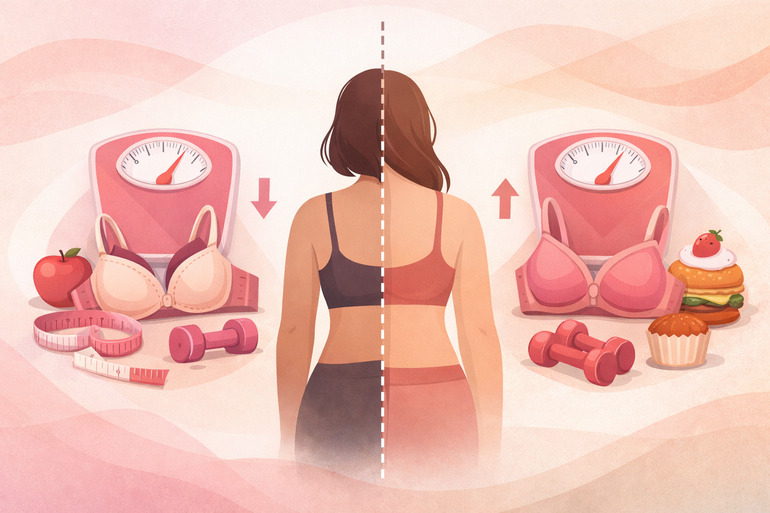
How Weight Changes Affect Bra Size
Your bra should feel comfortable and supportive every day. But when yo
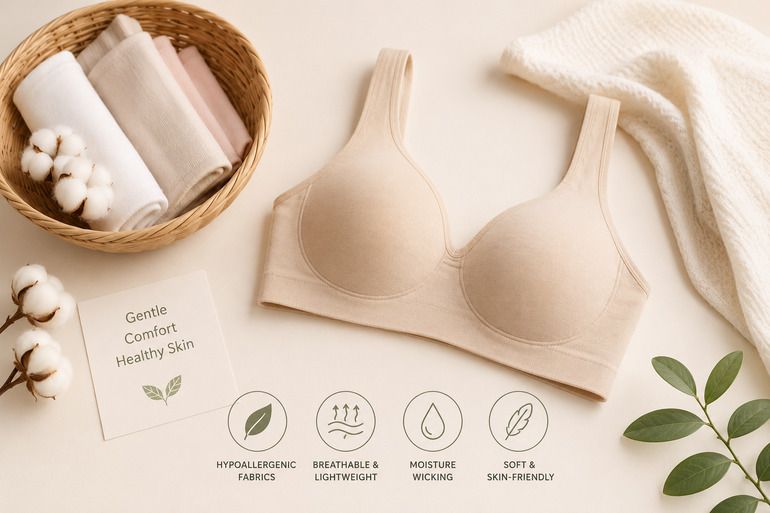
Hypoallergenic Bra Materials: Best Fabrics for Sensitive Skin
Skin irritation from bras is more common than many women think. Tight
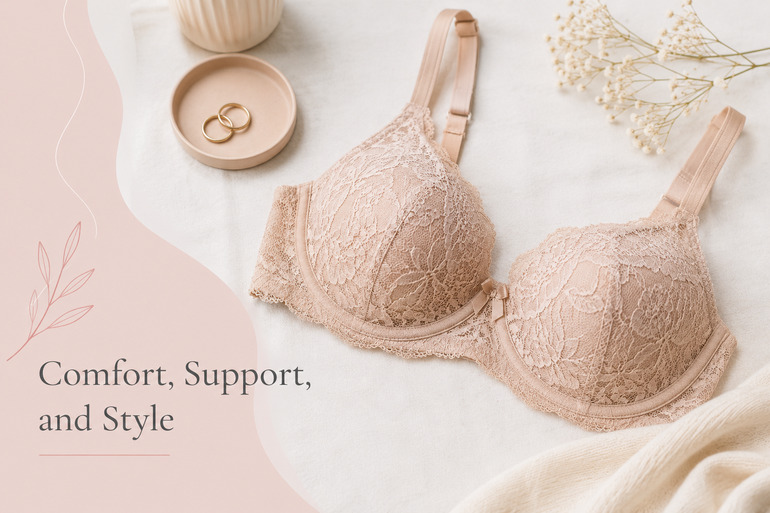
How to Find Lace Bras That Are Stylish, Supportive, and Comfortable
Many people are attracted to lace bras but do not wear them on a daily
POST COMMENT